Newfound invisible object in space could be a rare supermassive neutron star
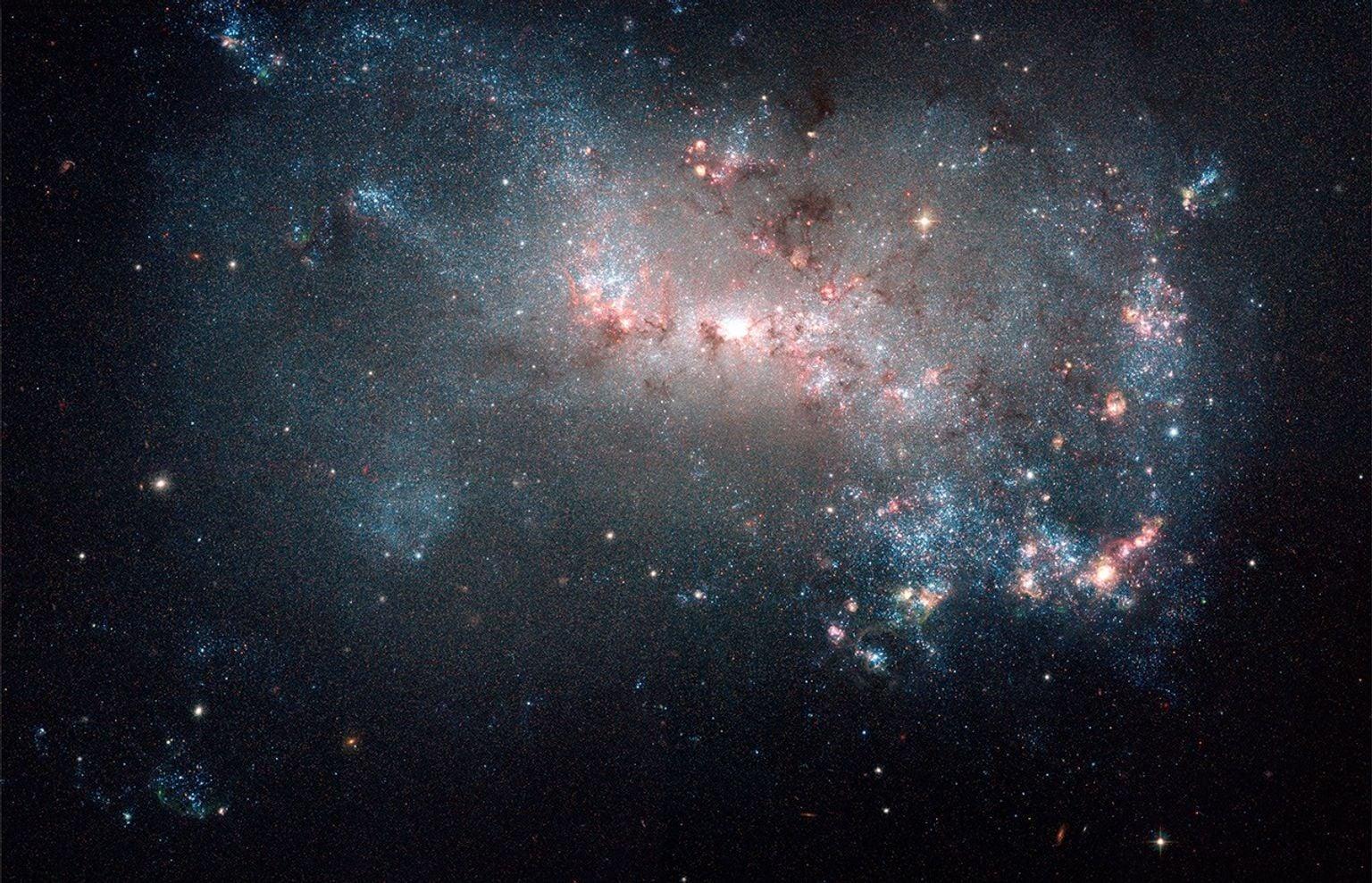
Astronomers saw something strange in a distant star system—or rather what’s strange is what they didn’t see. Solving the mystery could reveal new astrophysics
Space exploration, astronomy, astrophysics, and cosmic discoveries

Astronomers saw something strange in a distant star system—or rather what’s strange is what they didn’t see. Solving the mystery could reveal new astrophysics

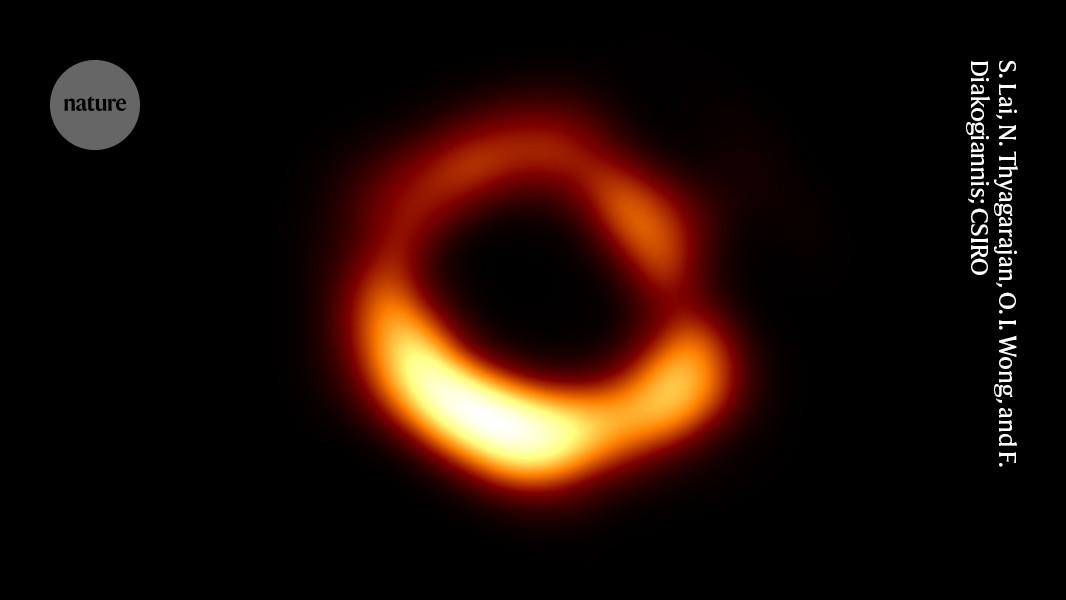
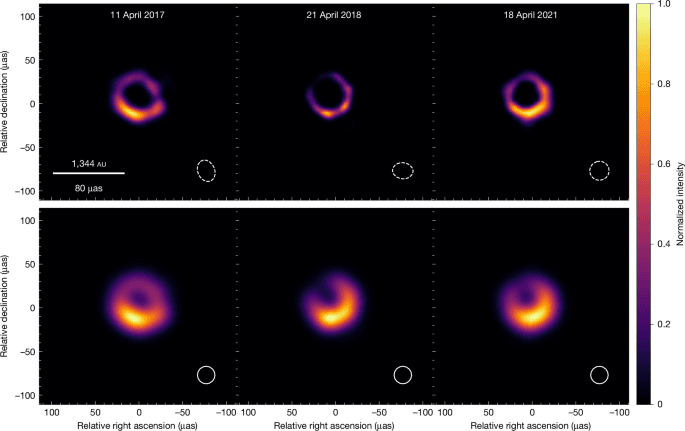
Picture produced by fresh analysis of the data that yielded the first-ever image of a black hole outputs the same, ring-like shape.

The astonishing strength of this El Niño could mean we surpass an important climate threshold—possibly for good

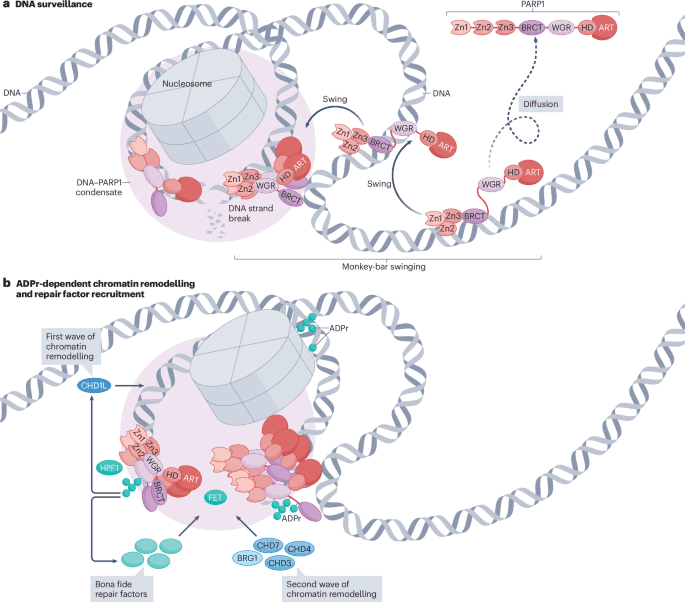
Poly(ADP-ribose) polymerase 1 (PARP1) is a versatile DNA damage sensor and a major therapeutic target in cancer. This Review discusses emerging insights into how PARP1 recognizes and responds to its varied substates, and the implications of these insights on …

Agricultural biotechnology once found itself in opposition to environmental science. Now it could reduce the impact of food systems on global warming and biodiversity loss.

As global energy markets grapple with a period of sustained political volatility, researchers are digging deep for solutions.

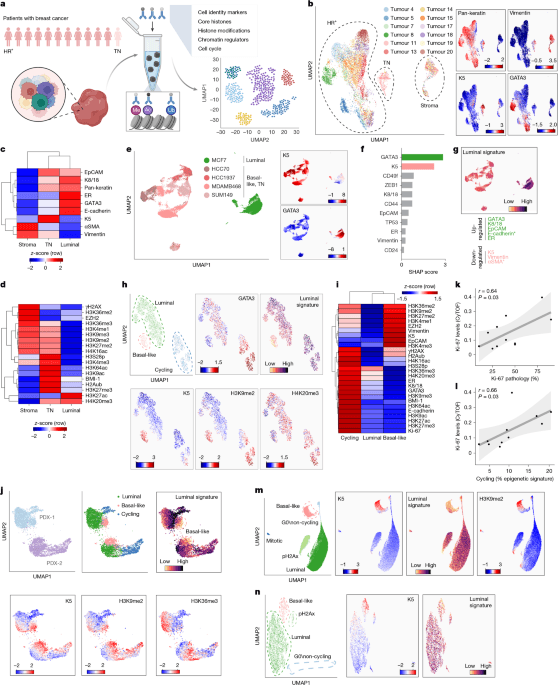
Single-cell epigenetic analyses reveal a conserved epigenetic signature across patients that may help identify those at increased risk for disease relapse in breast cancer.

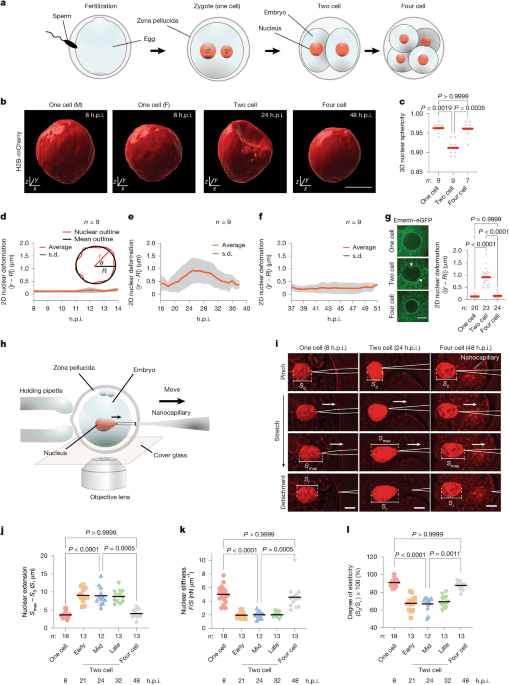
A distinct physical nuclear state acquired by embryos at the beginning of life supports the initiation of the zygotic transcription program.

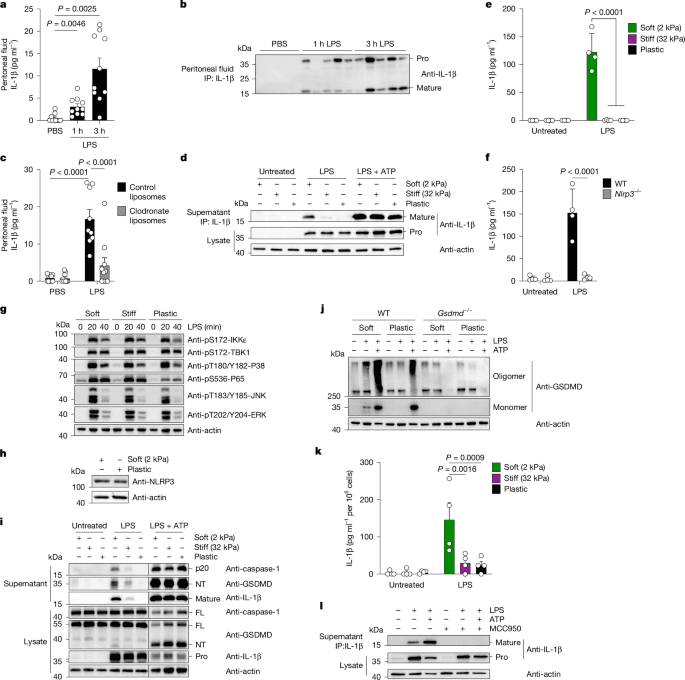
The stiffness of the extracellular matrix is identified as a pivotal factor that influences activation of the NLRP3 inflammasome in vitro and in vivo.

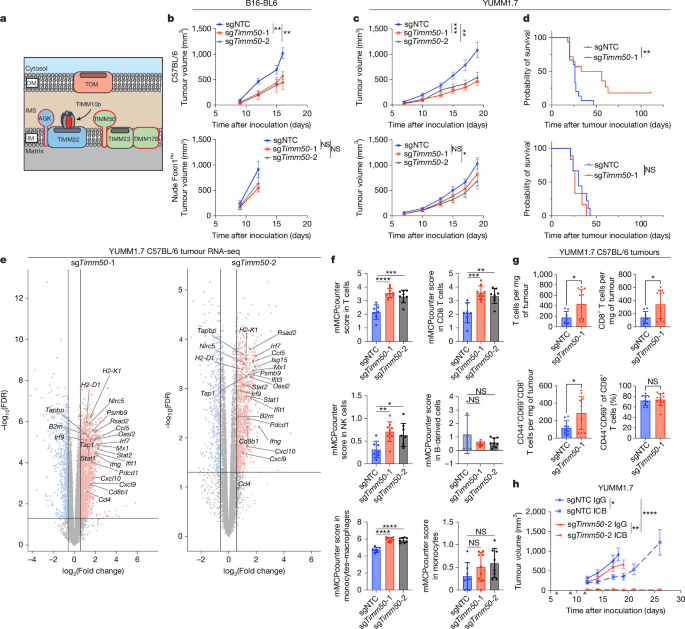
Inhibition of mitochondrial protein import can enhance tumour immunogenicity by promoting mitochondrial DNA release.

An imaging algorithm using closure-invariant formalism and diffusion-based reconstruction applied to supermassive black hole very long baseline radio interferometry datasets enables independent recovery of the ring-like shadow and mass that is free …

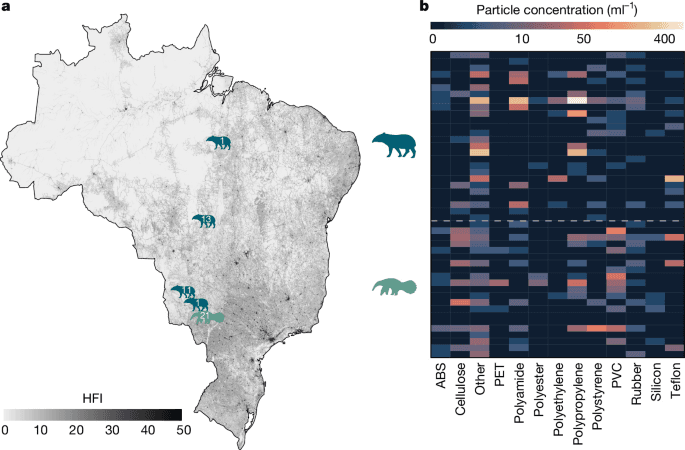
Microplastic burdens in Brazilian tapirs and anteaters rise with human-modified land use and proximity to development, however animals in remote habitats also carry microplastics, showing that landscape change and individual space use jointly shape wildlife e…
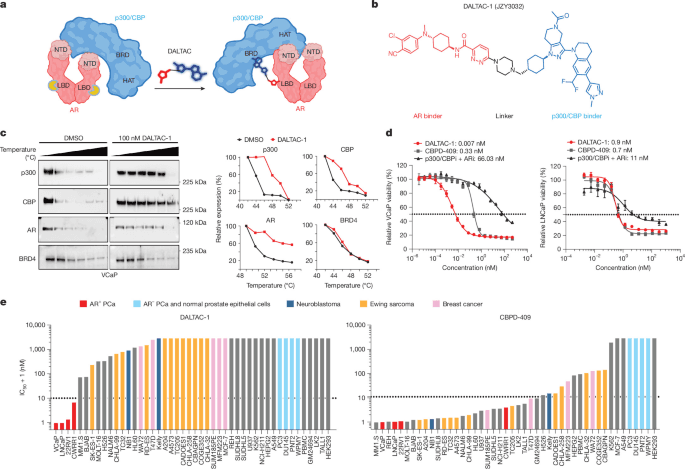
A novel therapeutic modality enforces non-native androgen receptor (AR)–p300/CBP interactions to collapse AR transcriptional programs, producing super-inhibitory, lineage-selective suppression of metastatic prostate cancer and establishing domain-alteration c…

AI tools that summarize scientific literature are picking up decades-old flawed papers — should they be retracted? Plus, the first image of a black hole holds up to scrutiny and how the Artemis II mission might have disrupted GPS.

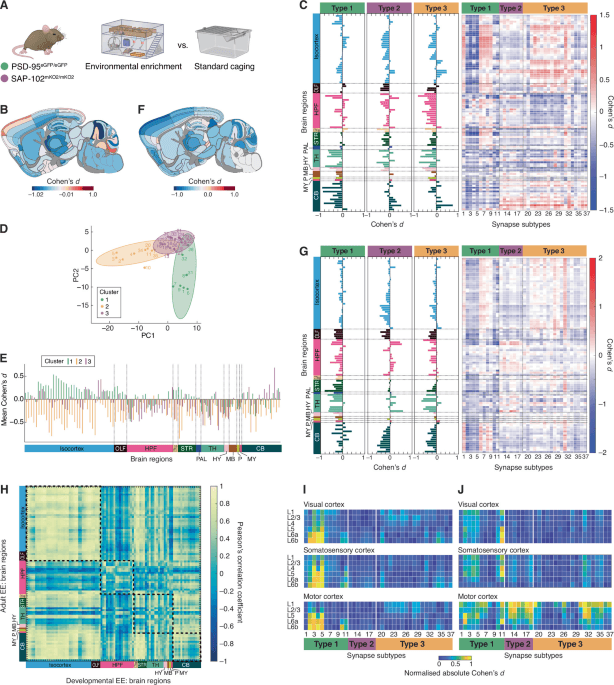
The effect of experiences on brain-wide synapse populations is unknown. Here, the authors show that environment and visual input drive changes in excitatory synapse types and subtypes across the mouse brain during development and adulthood.

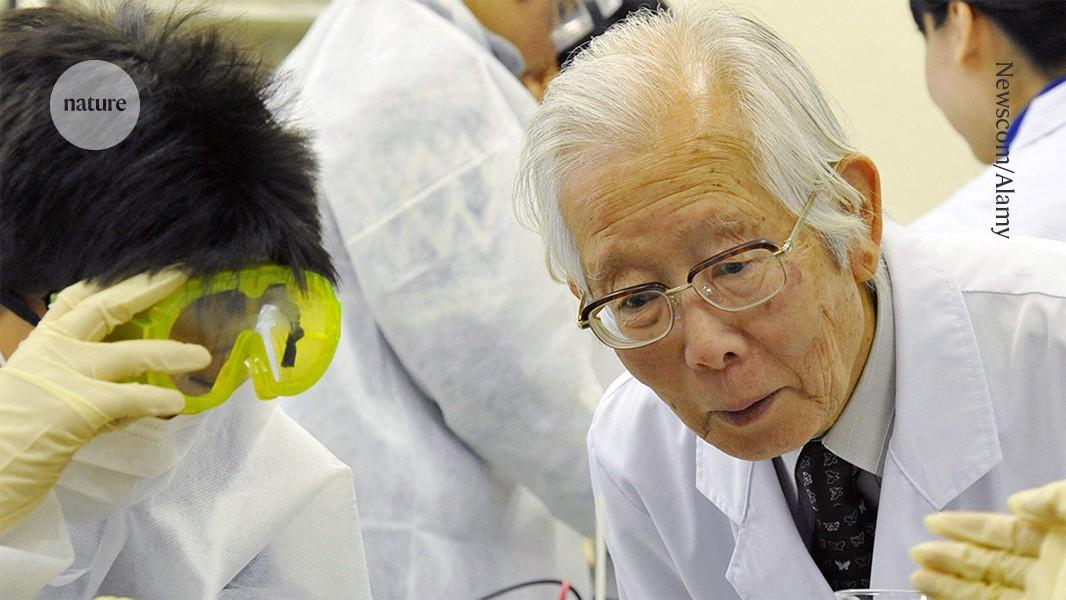
Nobel prizewinner’s accidental discovery led to new forms of materials, light-emitting diodes and solar cells.

Ginelle Greene-Dewasmes is leading a community of interdisciplinary specialists exploring how to make the energy use of artificial intelligence net-positive.

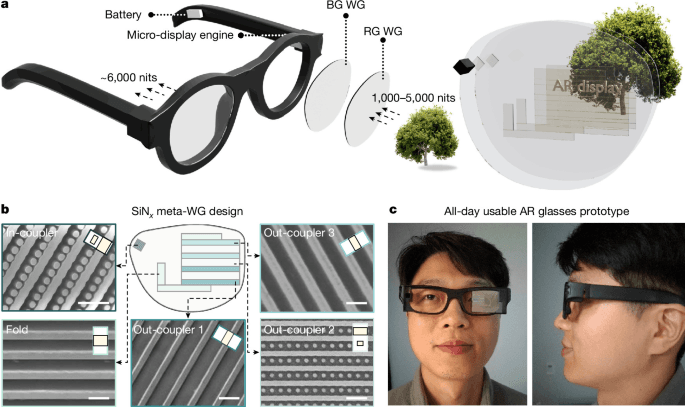
An all-day-wearable augmented reality glasses prototype using a dual-layer metasurface-based waveguide and three matched grating patterns achieves a 30° field of view in an 8 × 8-mm2 two-dimensional eyebox while maintaining high luminance efficiency.

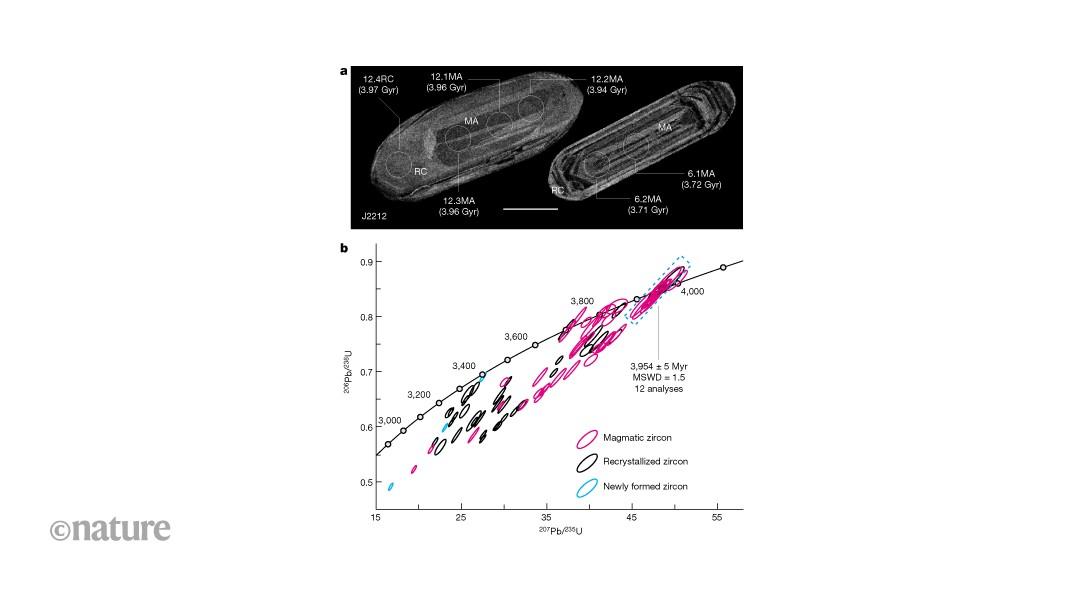
Zircon crystals found in some of Earth’s oldest rocks suggest that the source rock was once buried about 50 kilometres into the mantle.

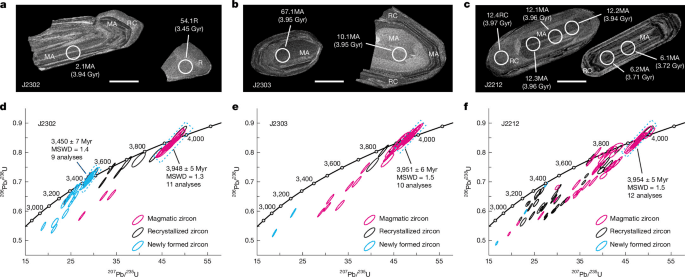
Analysis of a 3.95-Gyr-old trondhjemitic gneiss from eastern Hebei, China, reveals a composition suggesting a low-temperature altered basaltic source, that originated from a mantle depleted in the Hadean, was most likely transported to mantle depths…

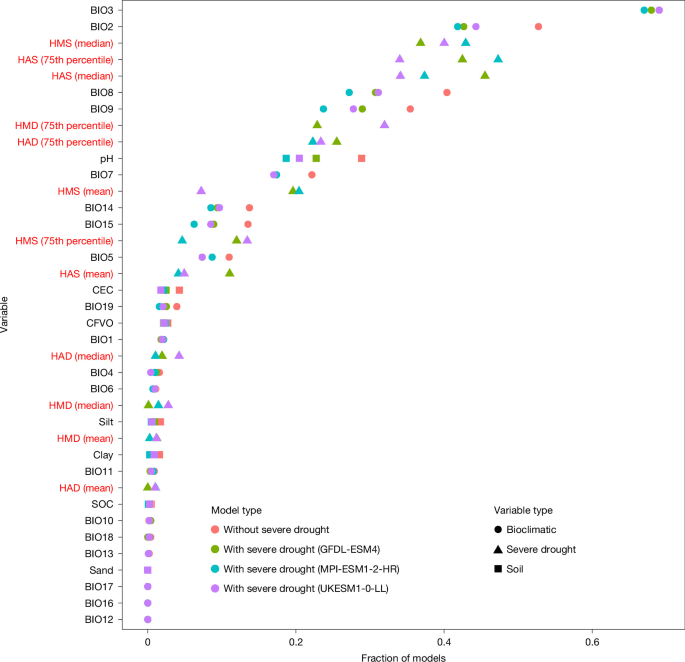
Severe drought and warming will substantially increase the loss of suitable climatic area for cactus species.

Technology is making biological studies more powerful than ever. But people are the real force behind discovery.

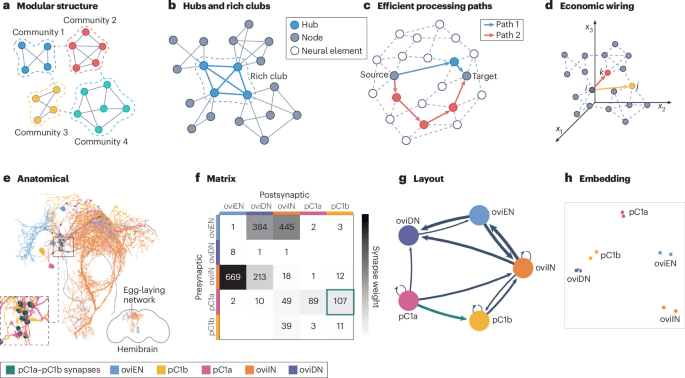
Extracting insight from nanoscale connectomes presents formidable challenges. In this Review, Betzel and colleagues focus on network science applications to these high-dimensional datasets, providing a high-level overview of different community detection meth…

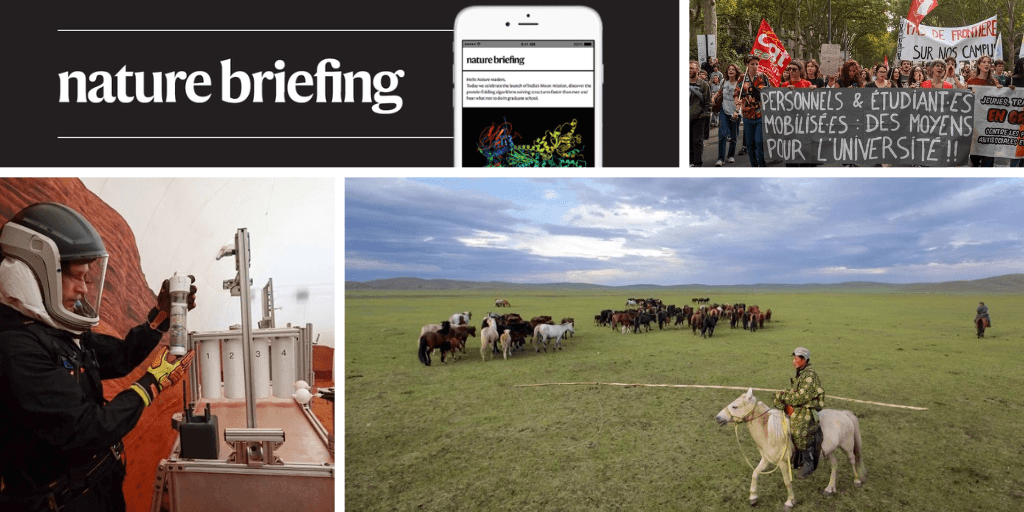
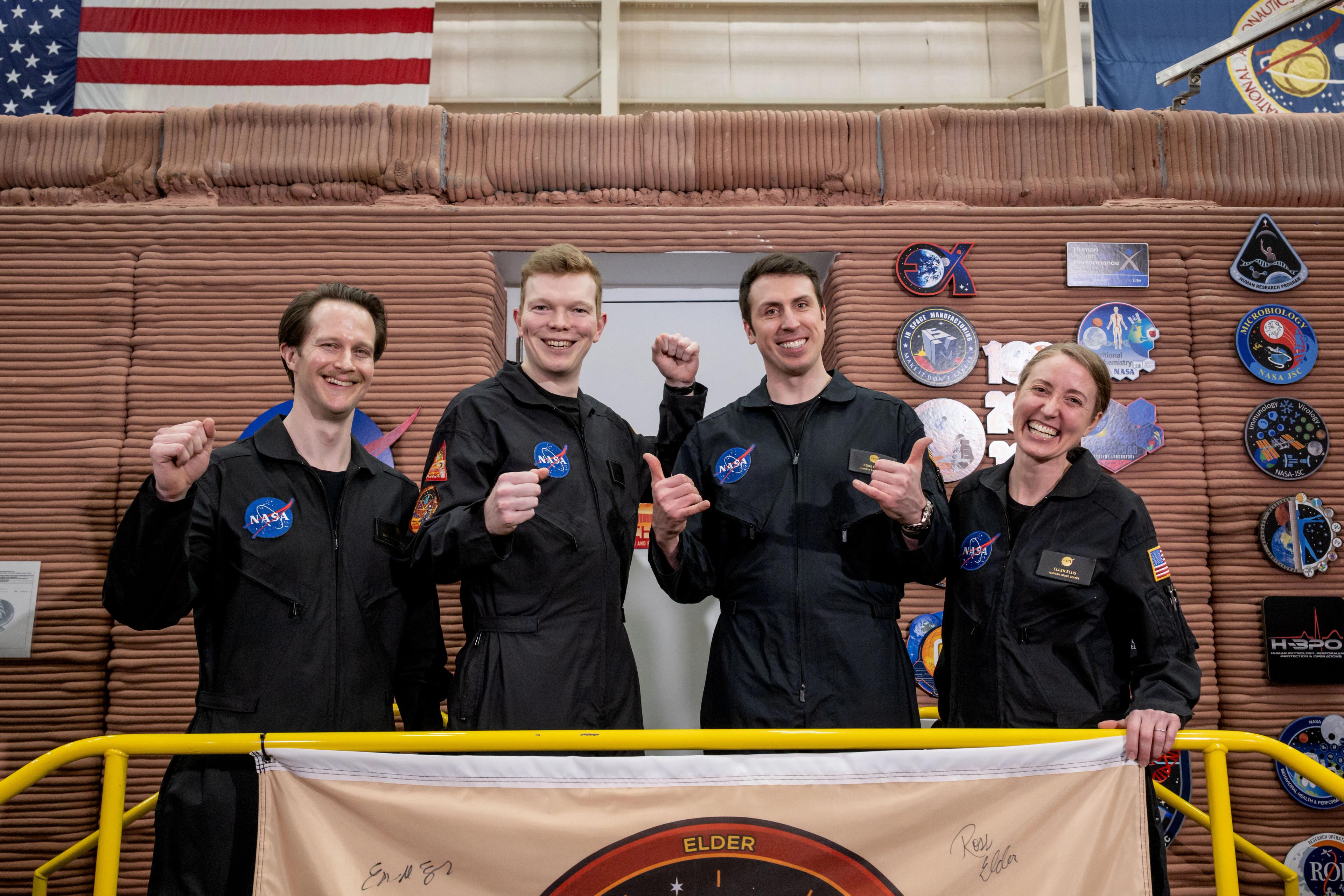
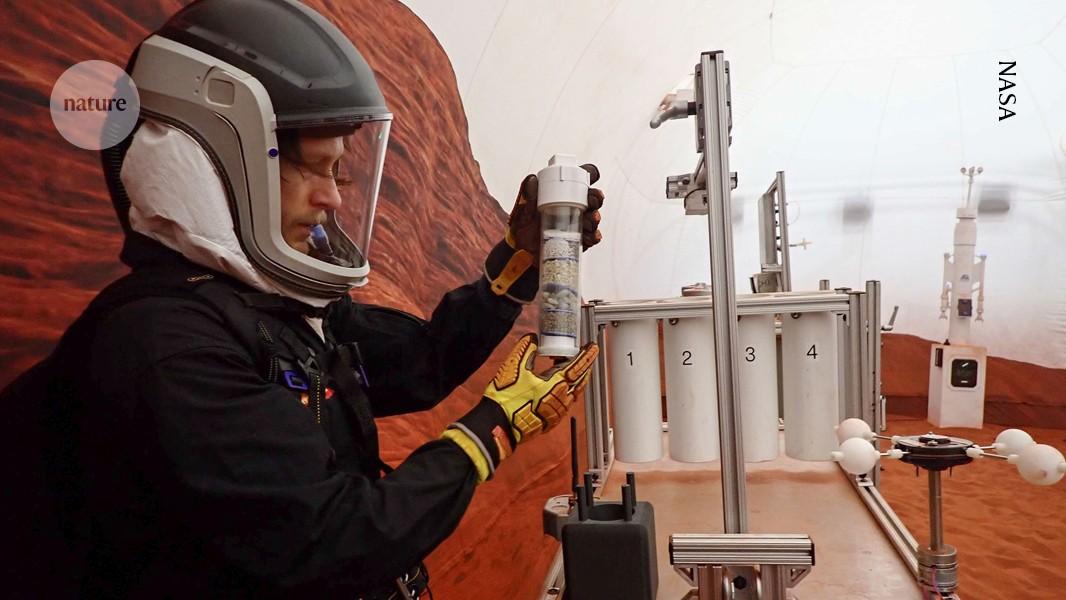
Academic freedom is deteriorating globally, but has soared in a few countries in recent years. Plus, testimony from a member of a year-long simulated Mars mission and how key fungal networks could save Mongolia’s iconic grasslands.

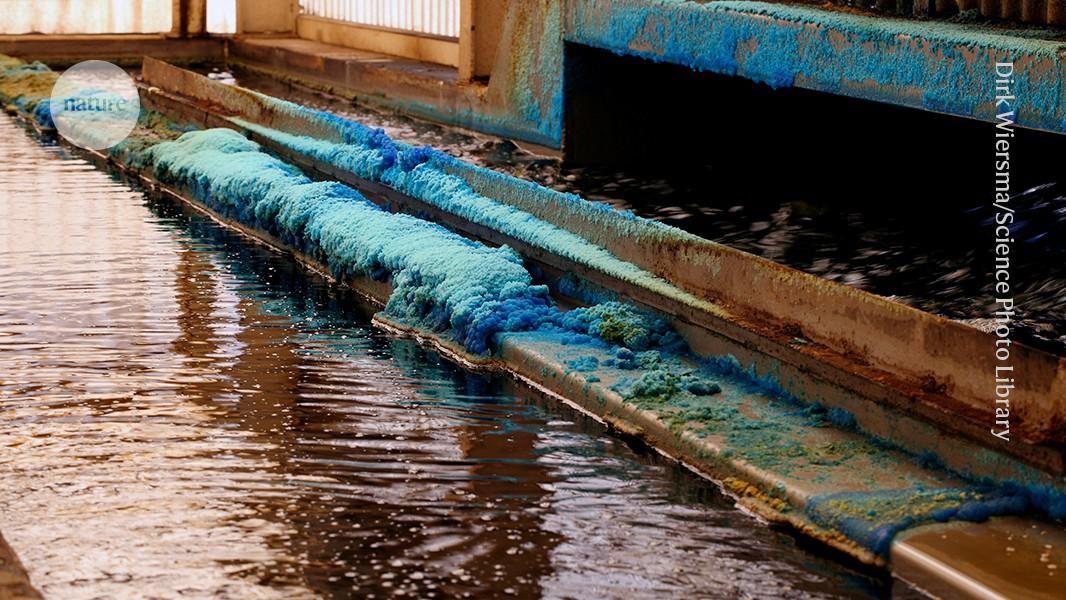
To sustain supplies of key metals, policymakers should support the infrastructure needed to deploy mining biotechnologies on a large scale.

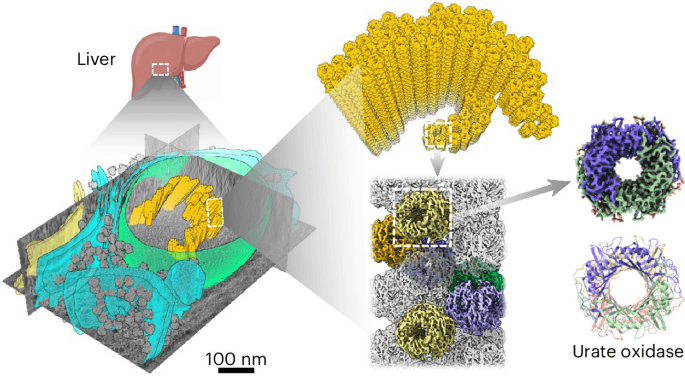
Enzyme organization inside cells remains poorly understood. Here, the authors use cryo-electron tomography to show that urate oxidase forms conserved helix-tiling assemblies in liver peroxisomes, stabilizing the enzyme while preserving efficient catalysis.

For years, researchers have studied people with a genetic predisposition to Alzheimer’s and other dementias. They might have even more to learn from those who don’t get the disease.

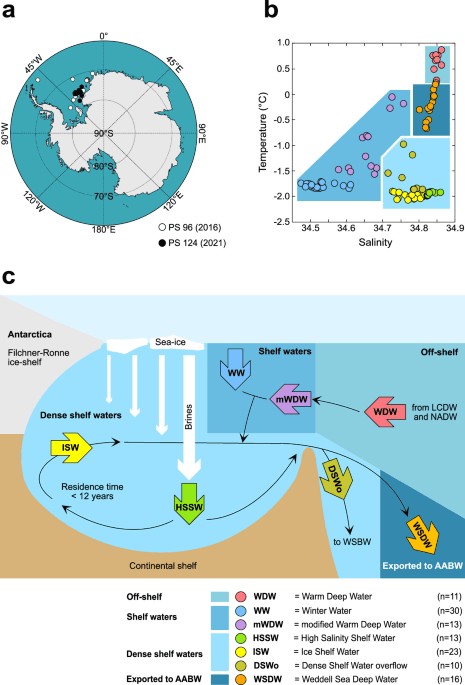
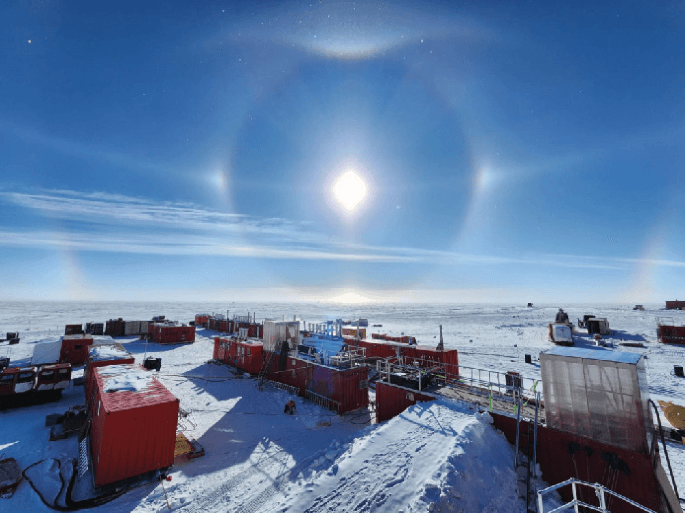
The study reveals that molecular properties of dissolved organic matter are conserved during dense-water formation in the Weddell Sea, showing that Antarctic shelf processes minimally affect the dissolved organics exported into the deep ocean.

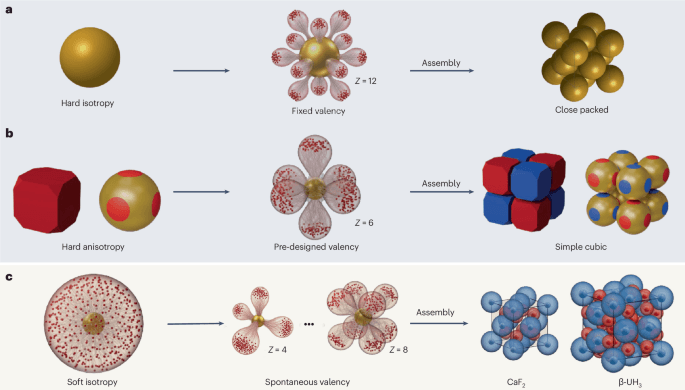
Soft polymer coatings spontaneously rearrange on nanosphere surfaces to form directional bonds, unlocking an alternative route to delicate nanoparticle superlattices.

A national system that defines where things are across the country will get a complete overhaul

One of the strongest El Niños ever recorded is pushing the climate into uncharted territory

Cliff Kapono shares his advice on ways to navigate and grow two different careers.

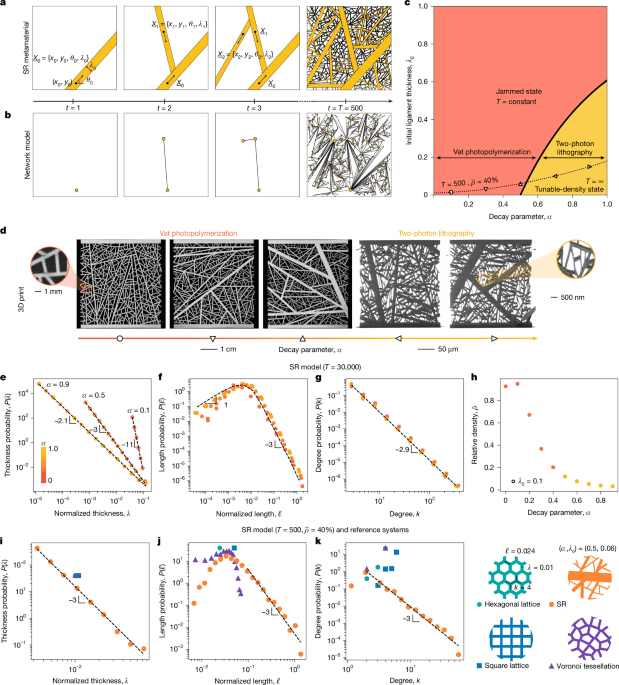
A network-science-based framework that embeds network heterogeneity into mechanical metamaterials is used to produce scale-rich metamaterials that exhibit properties inaccessible to traditional single-scale systems.

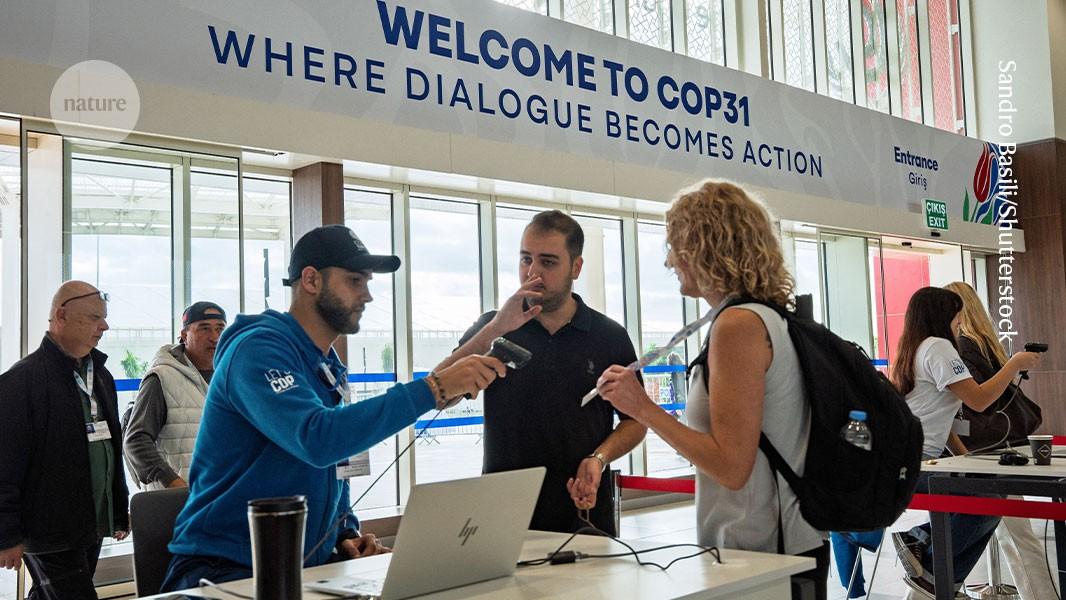
Nearly 200 countries will participate in this year’s climate talks, held in Antalya, Türkiye

Picking a site for an observatory should be about more than science. Humanities scholars have a crucial role in responsible siting.

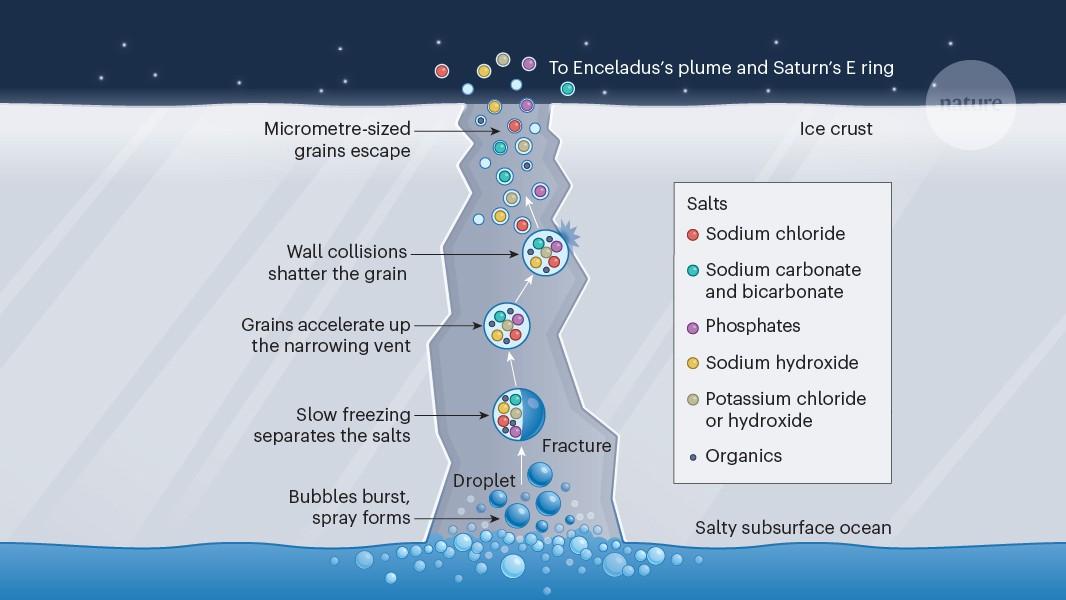
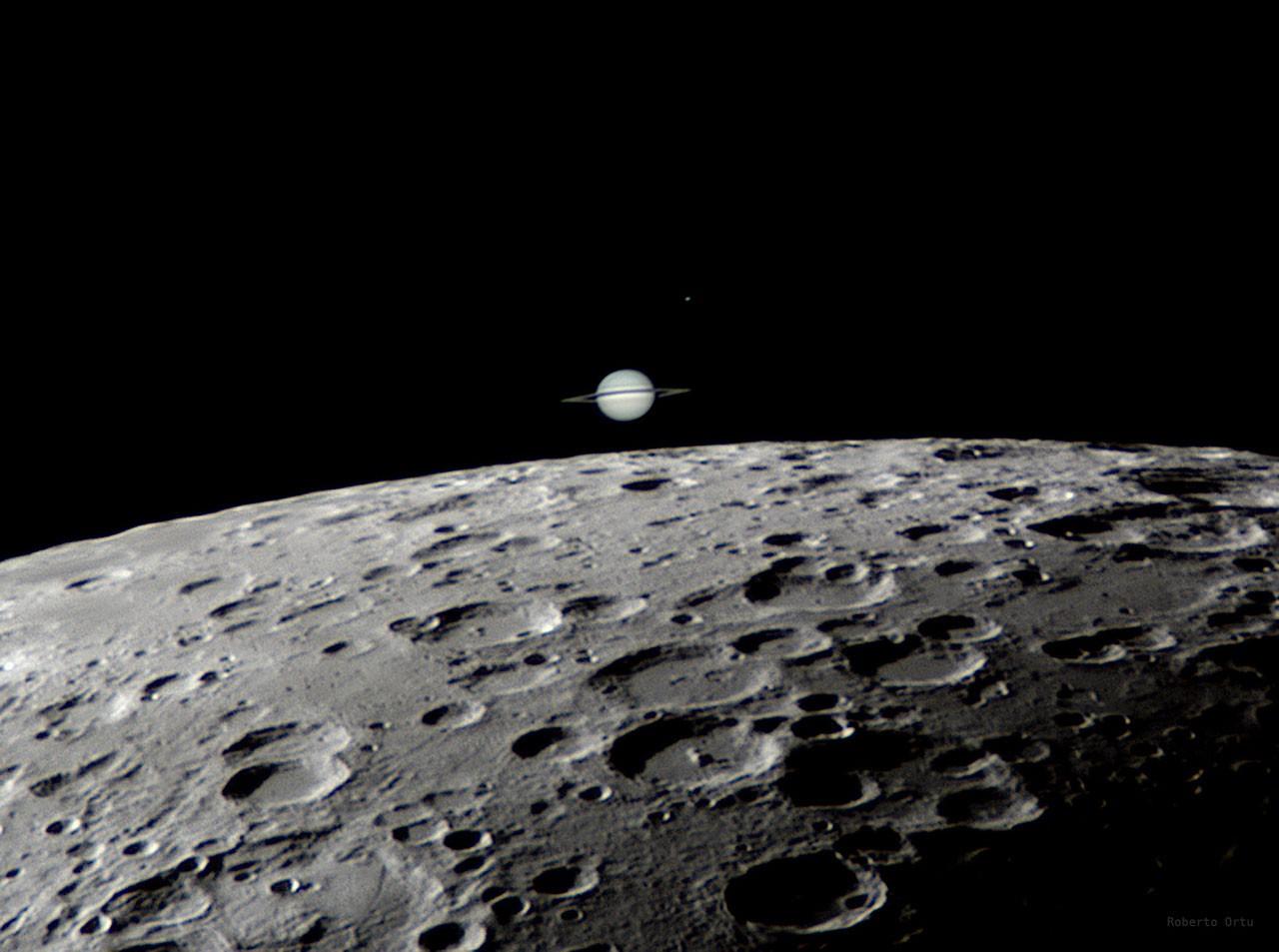
One of Saturn’s rings consists of a diverse population of icy and rocky grains, each with a distinct composition. How this came about might now have an explanation.

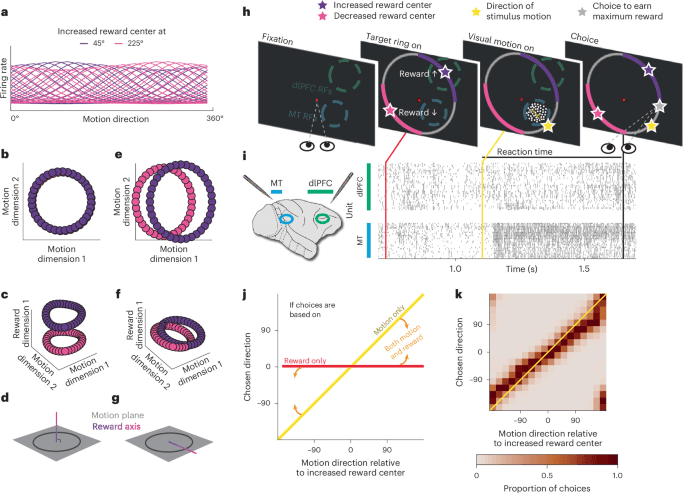
Using experiments in monkeys and modeling, the authors demonstrate that the formatting of population information predicts the contribution of different brain areas to behavior.

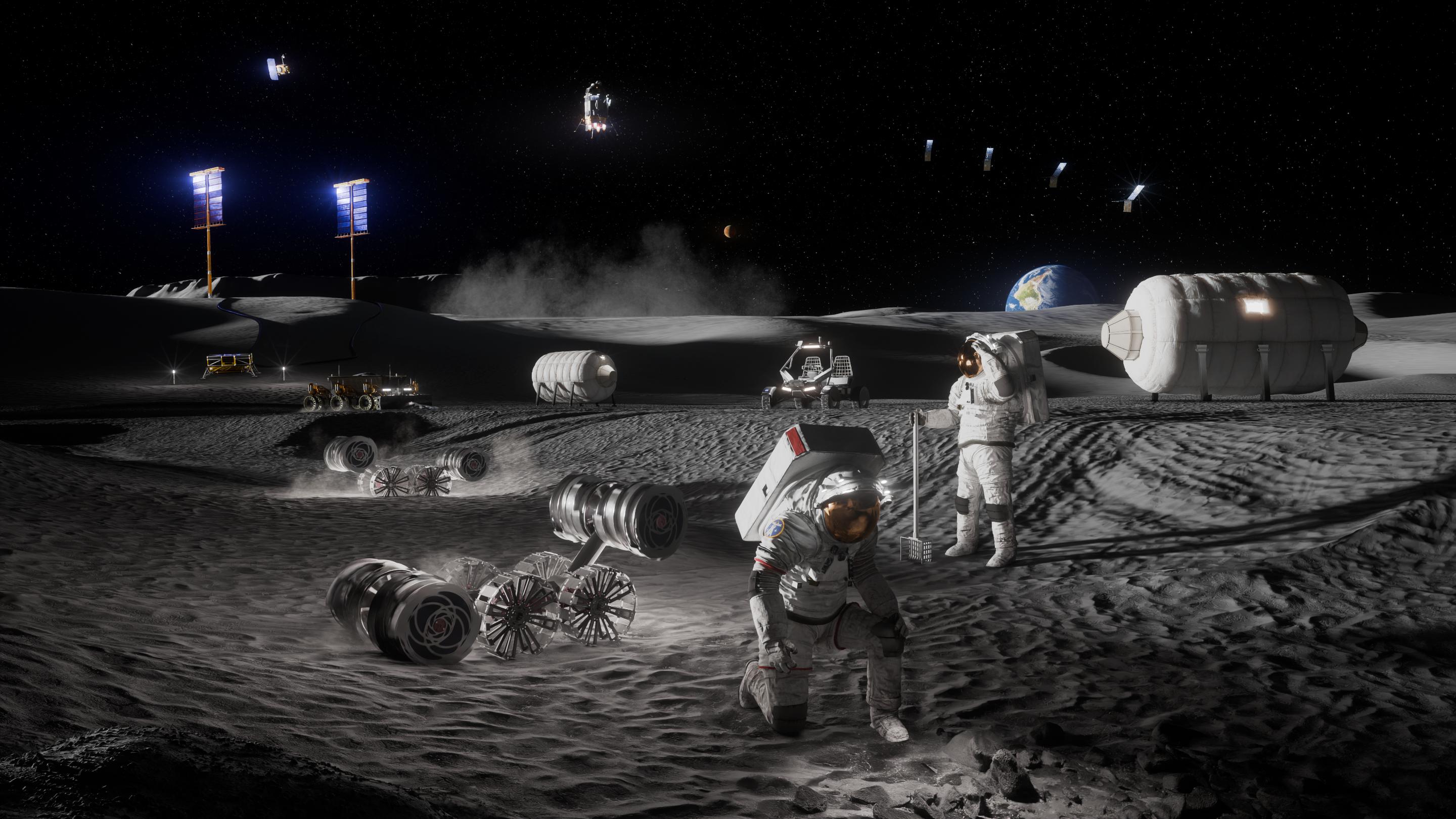
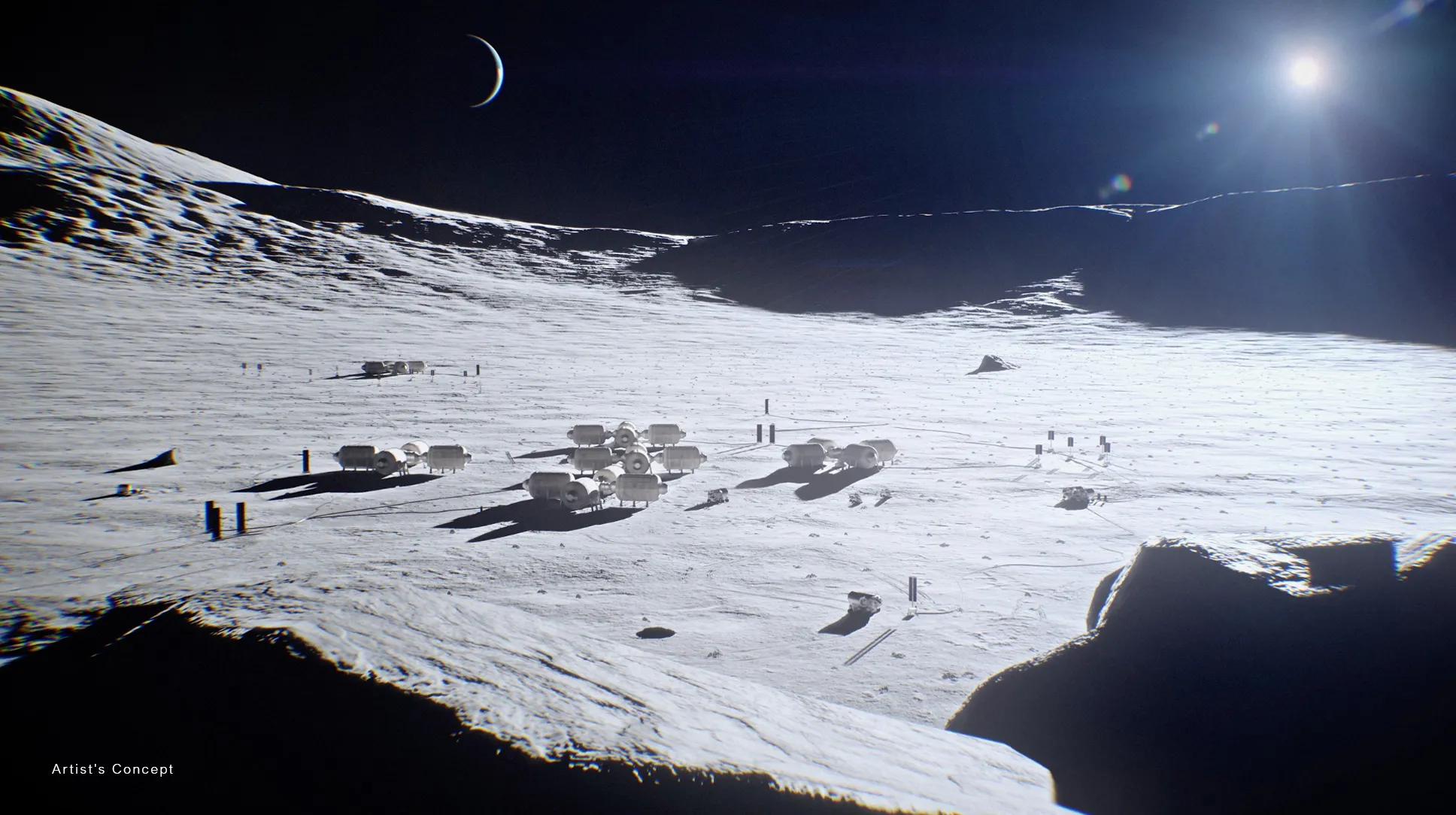
At a press event on Saturday, the agency’s officials stressed that rovers and other infrastructure will be critical to ensuring human survival on the moon

Scientists say governments must commit to carbon dioxide removal if world is to bring temperatures back down to safer limits.

Engineer Matthew Montgomery, who just finished a 378-day simulated Mars mission, talks about what it was like to be out of contact with the rest of humanity for a two-week blackout.

Apprentices develop expertise after doing monotonous tasks repeatedly and learning from their mistakes. Scientists are no different, argues Ruth Morgan.

The theoretical physicist unpacks the need for more humility in science and whether artificial intelligence could ever become conscious.

Silence is golden.
The authors achieve efficient mode matching to a quantum-dot nanowire waveguide and demonstrate coherent single-photon reflection with strong antibunching, realizing a waveguide-QED quantum mirror.
Laser-heating nitrogen–hydrogen mixtures at about 139 GPa produces N3H2, a crystalline polymeric solid with only single N–N bonds. The new material has a high energy density, with a predicted energy release exceeding that of conventional explosives.
Synthetic dimensions enable quantum simulation of exotic phases and topological phenomena otherwise not achievable in experiments. Implementations with ultracold molecules have not been experimentally realised before. Here, the authors realise a 1D synth…
Scientific Reports - A new ensemble of metrics for quantifying free-throw shooting performance using NBA player-tracking data

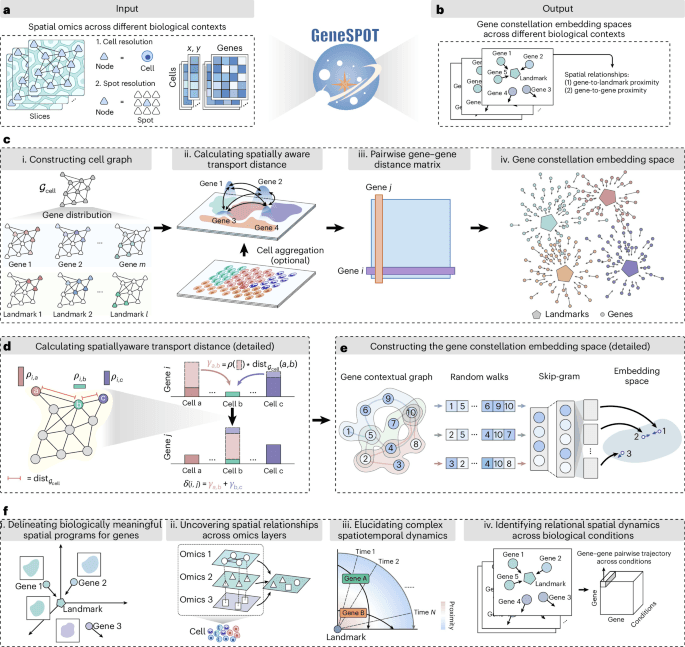
GeneSPOT is a framework that enables gene-centric exploration of spatial transcriptomic data.

The COP31 climate conference begins, with ‘climate overshoot’ a key talking point. Plus, the surprising benefits of ‘pink noise’ and the role of AI chatbots to support men’s mental health.
Scientific Reports - Novel application of artificial intelligence based astronomical centroiding to small particle tracking

The Nobel Prize in Physics 2026 has been awarded to Francis Halzen “for decisive contributions to the IceCube Neutrino Observatory and the discovery of high-energy neutrinos of astrophysical origin”.

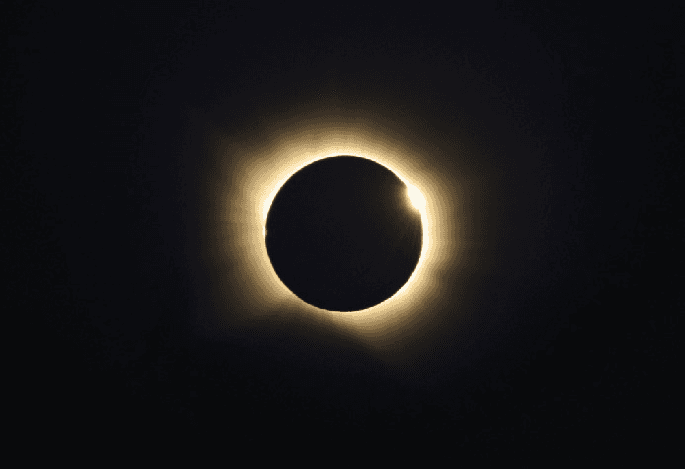
Defining the solar radius is not as easy as it might seem. José Vaquero tells us a story of eclipses, meridian lines, astronomical archives and space observations.
Scientific Reports - Molecular dynamics study of loading-dependent glass transition and thermal-stability-related properties in ZrO₂/PMIA and fluorinated graphene/PMIA nanocomposites

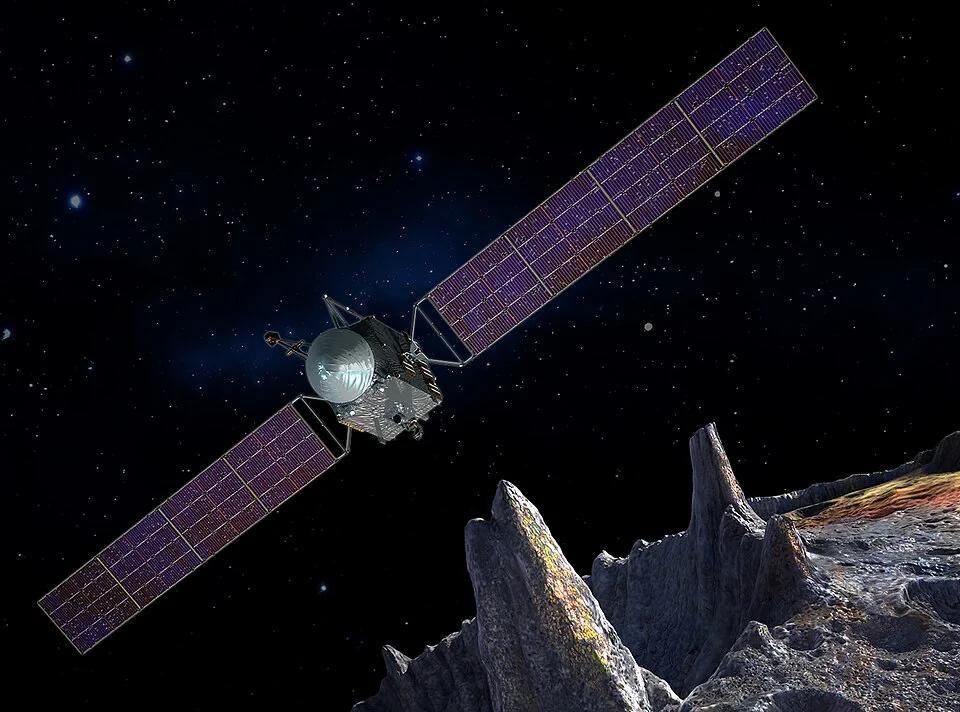
Science fiction authors have been dreaming of robotic spacecraft harvesting fortunes from asteroids for decades. Humanity is slowly getting closer to that reality. But if you ask asteroid mining skeptics, they will usually ask one specific question - what hap…

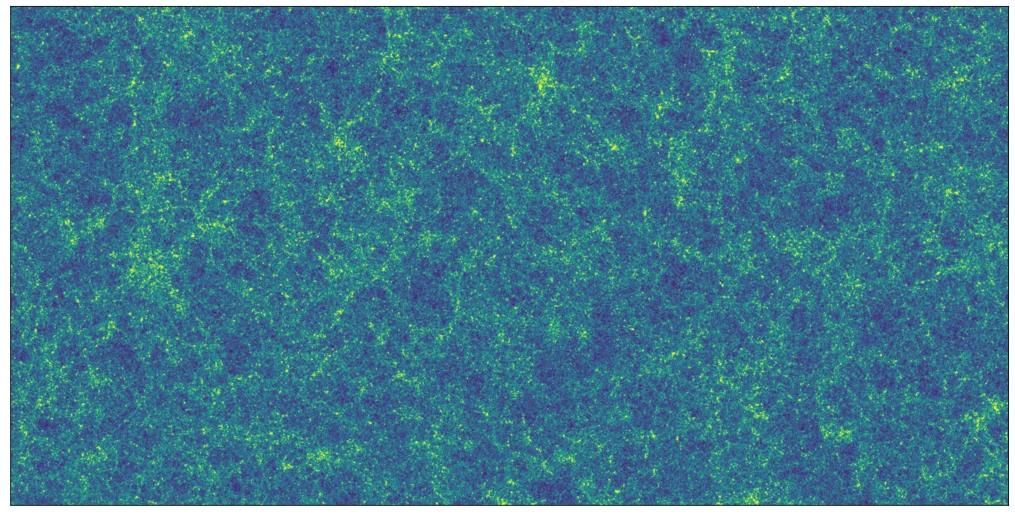
The MeerKLASS international collaboration achieves the first direct measurement of the large-scale clustering of cosmic hydrogen in the Universe.

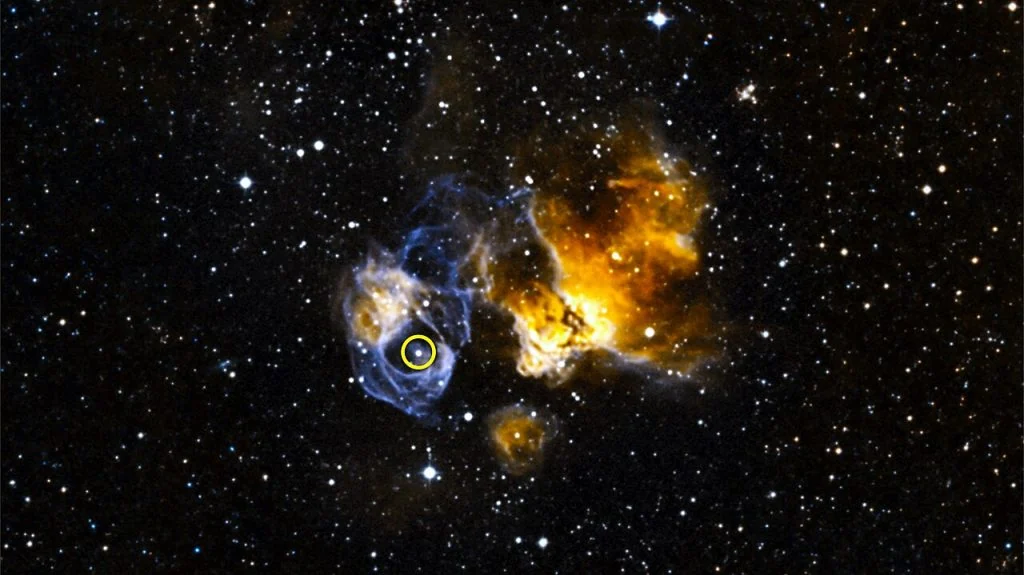
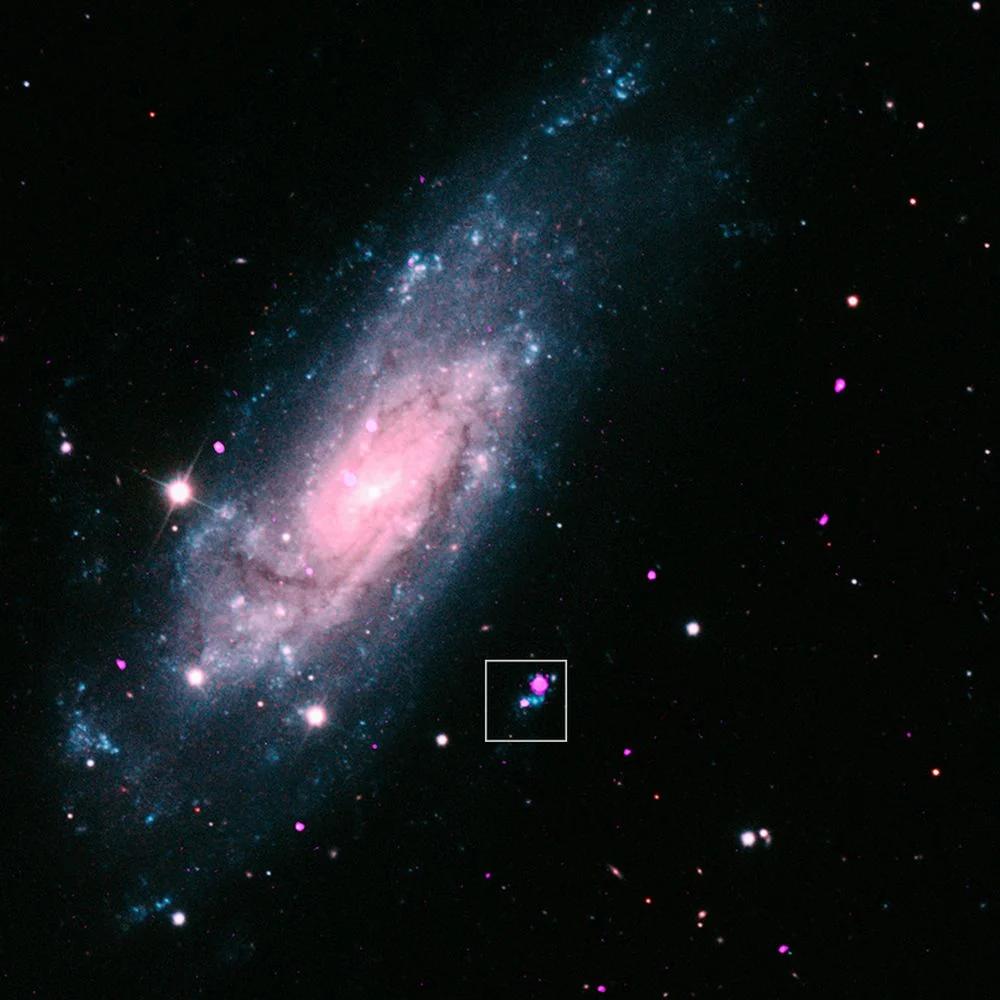
There's a strange gamma-ray emitter in the Large Magellanic Cloud that has astronomers stumped about its source. It lies within the ashes left behind by a supernova that created a compact object that's part of the system. The supernova remnant provides some e…

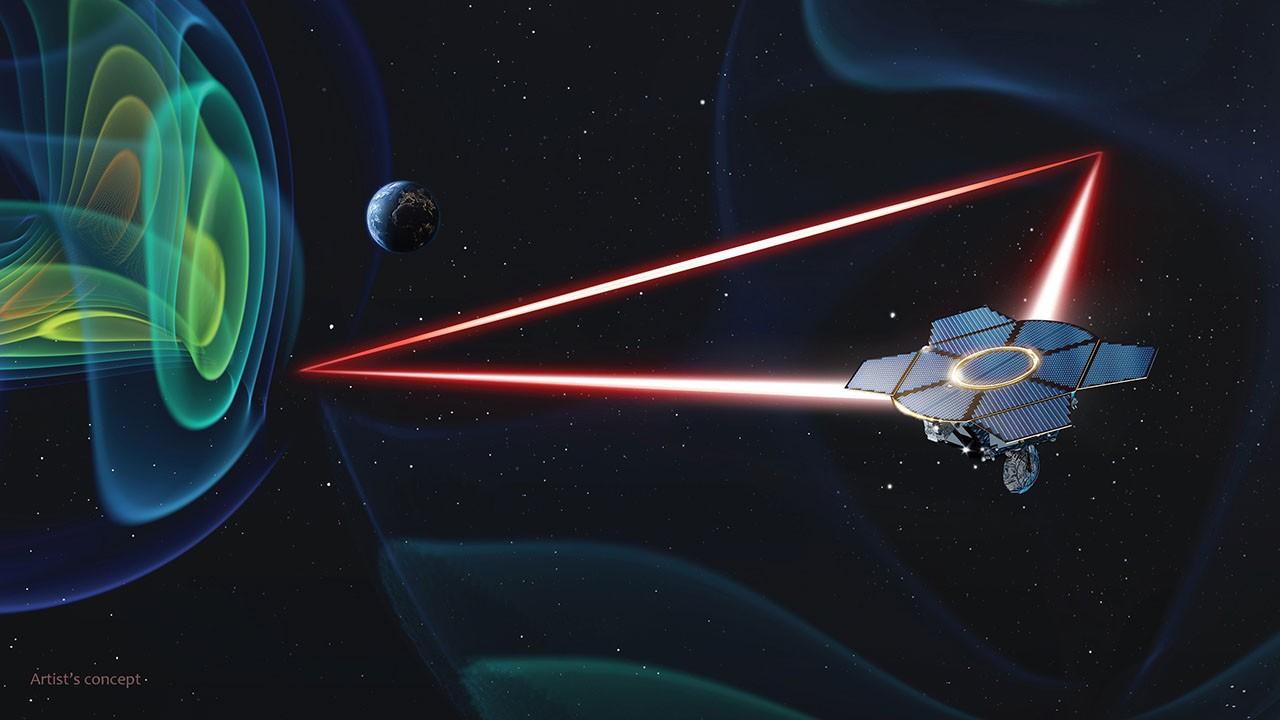
The LISA (Laser Interferometer Space Antenna) observatory, now in development, will detect gravitational waves, the tiny ripples in space-time caused by orbiting masses. Now two studies led by NASA astrophysicists show in new detail how LISA could reveal a ne…

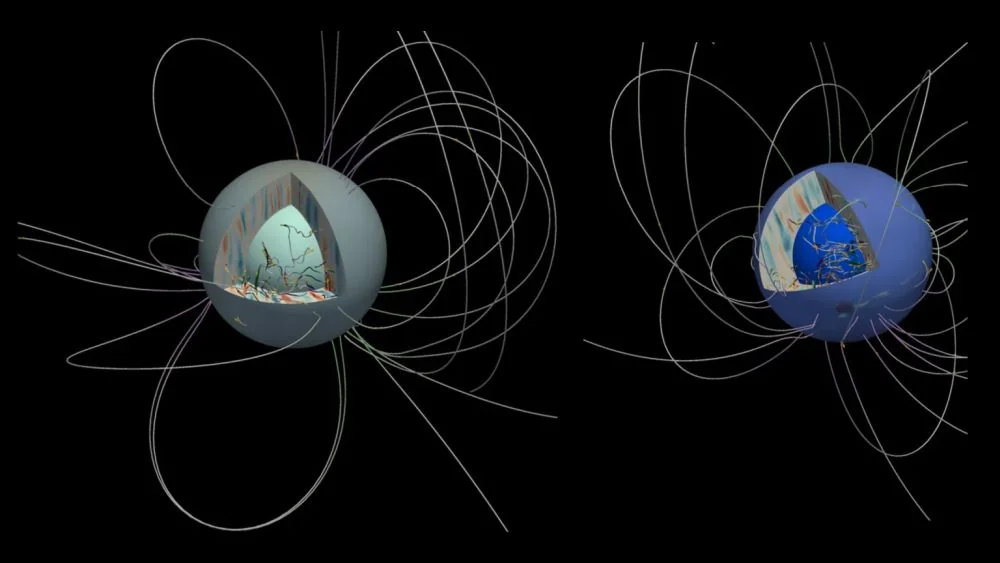
Uranus and Neptune, the Solar System's ice giants, have interiors unlike the other planets. As a result, they also have magnetic fields unlike the others. They're messy and tilted, and Voyager 2, the only spacecraft to even flyby them, showed us how messy the…

Some stars, called Luminous Blue Variables, can be confused with supernovae explosions. They exhibit similar outbursts, but unlike supernovae, which explode once and then are gone forever, these stars have periodic outbursts. New research found that one of th…

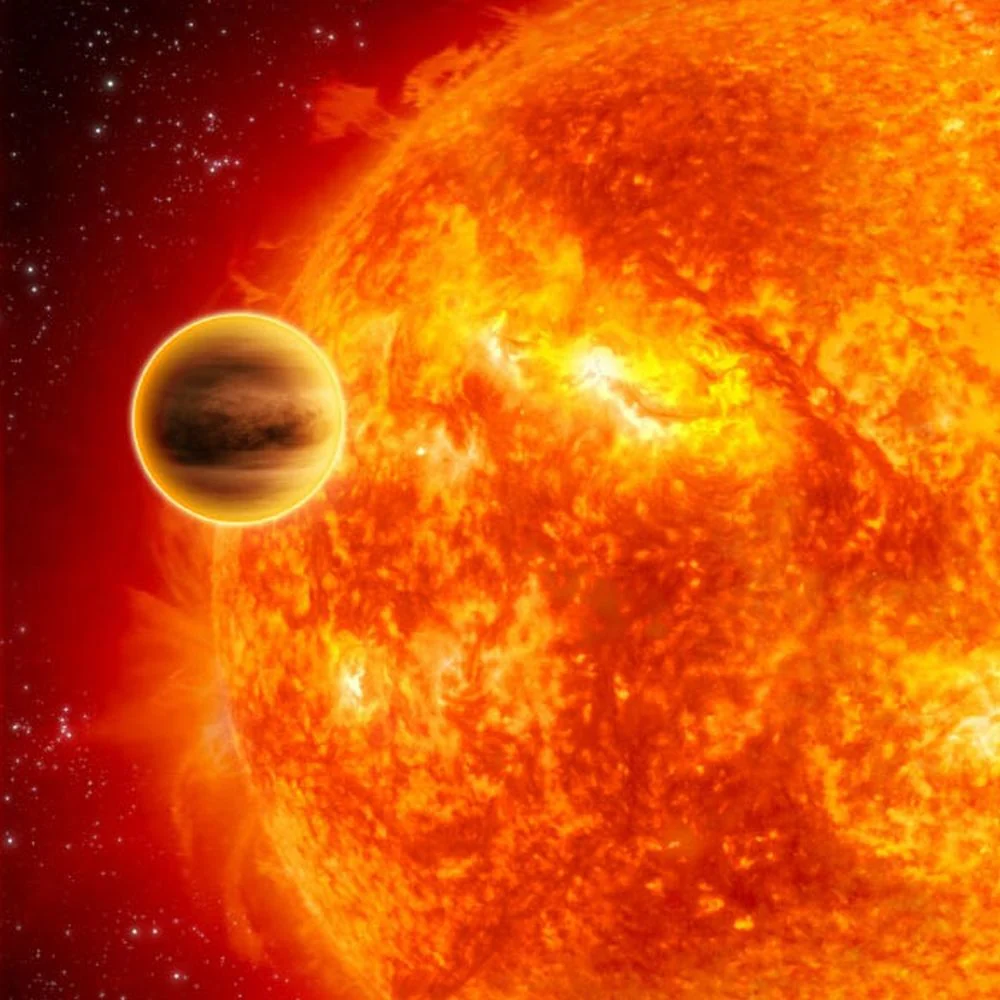
TESS watched an exoplanet about 1,000 light years away as it repeatedly transited in front of its star for seven years. But astronomers were surprised to find that the hot Jupiter disappeared. Of course, planets don't just disappear. Something interrupted its…

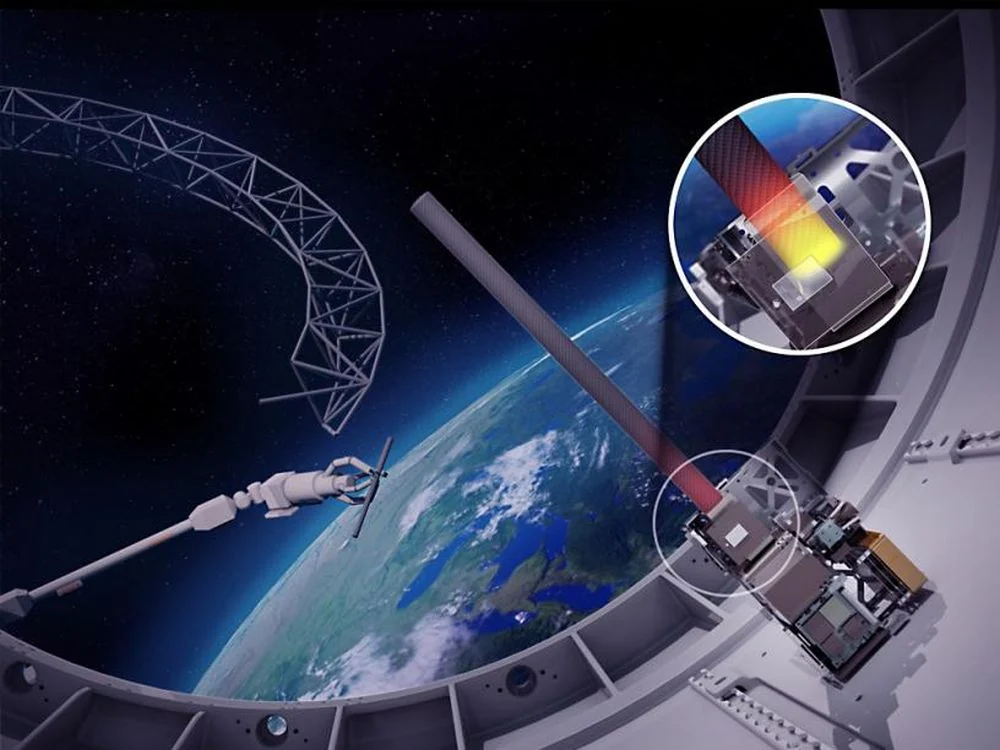
The ability to build large structures in space is maturing. The ISS, Mir, and Tiangong were built in space from pre-constructed modules, but a new program called NOM4D is taking space construction to the next level. It recently showed that a simple robot can …

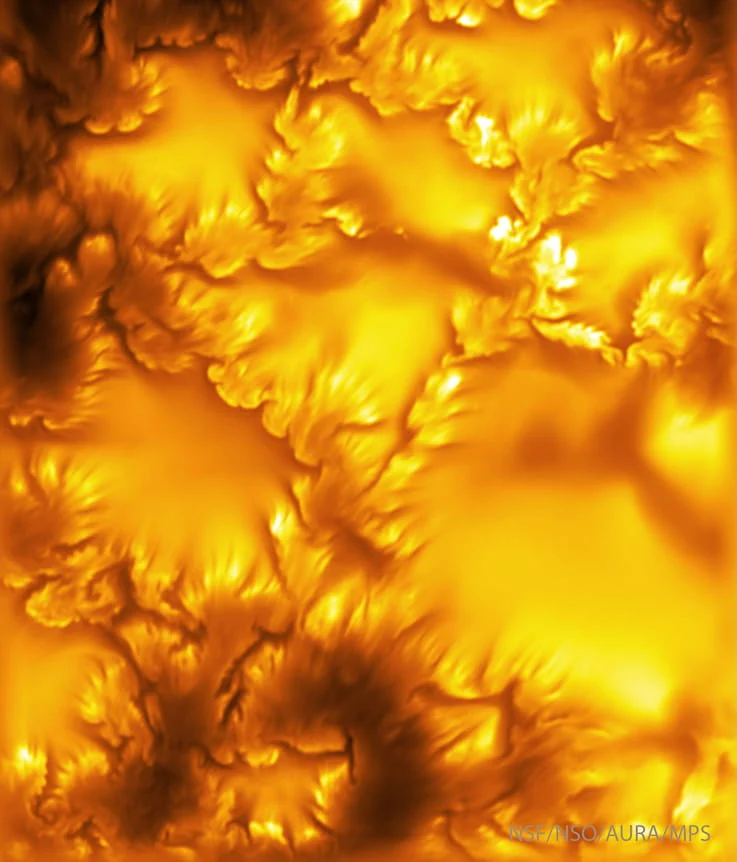
For the second time in a few weeks, we’re writing about research into the temperature gap between the Sun’s surface and its corona. More and more data from various missions continue to feed this wave of discovery. A new paper by Katariina Nykyri of Embry-Ridd…

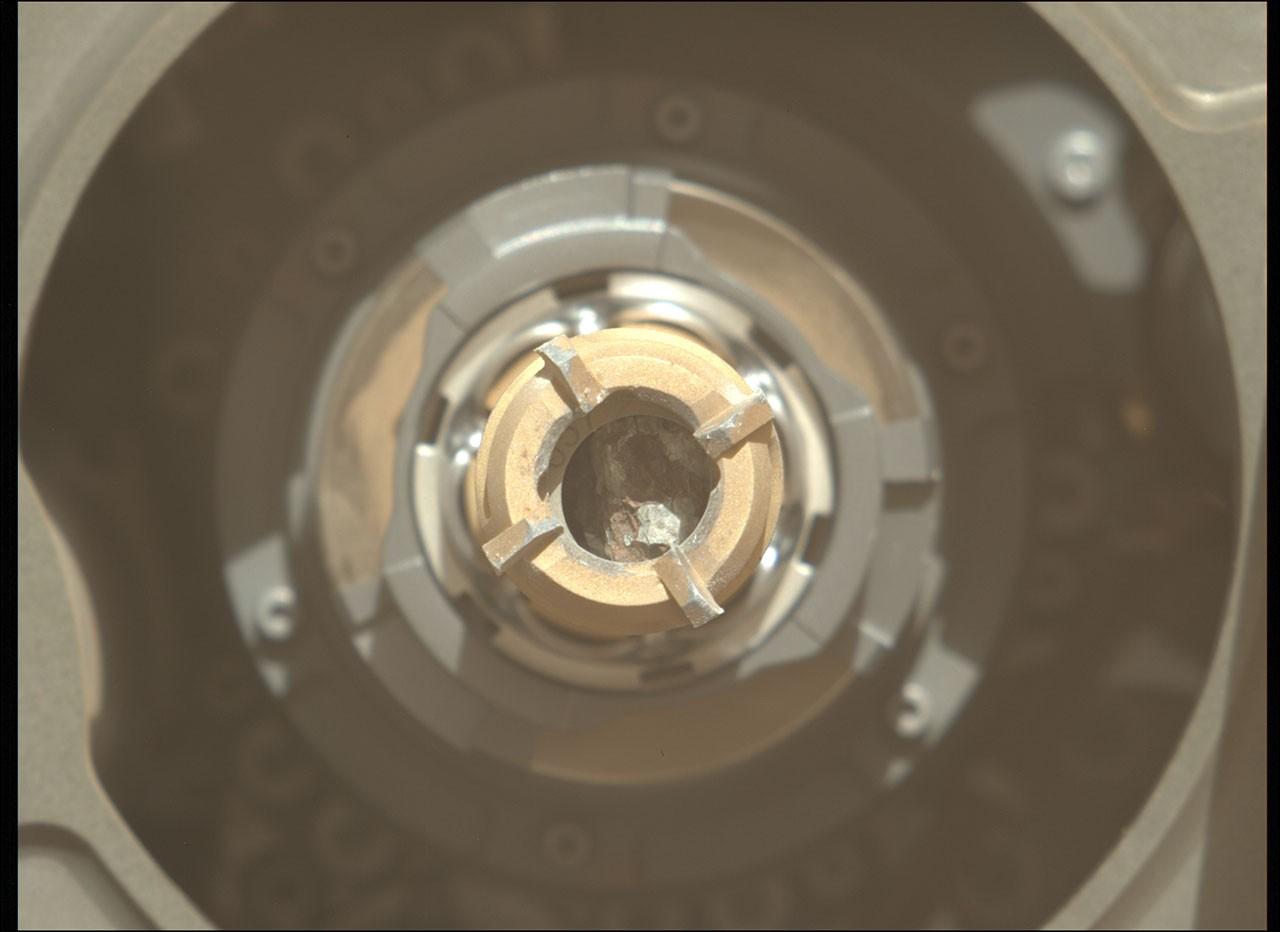
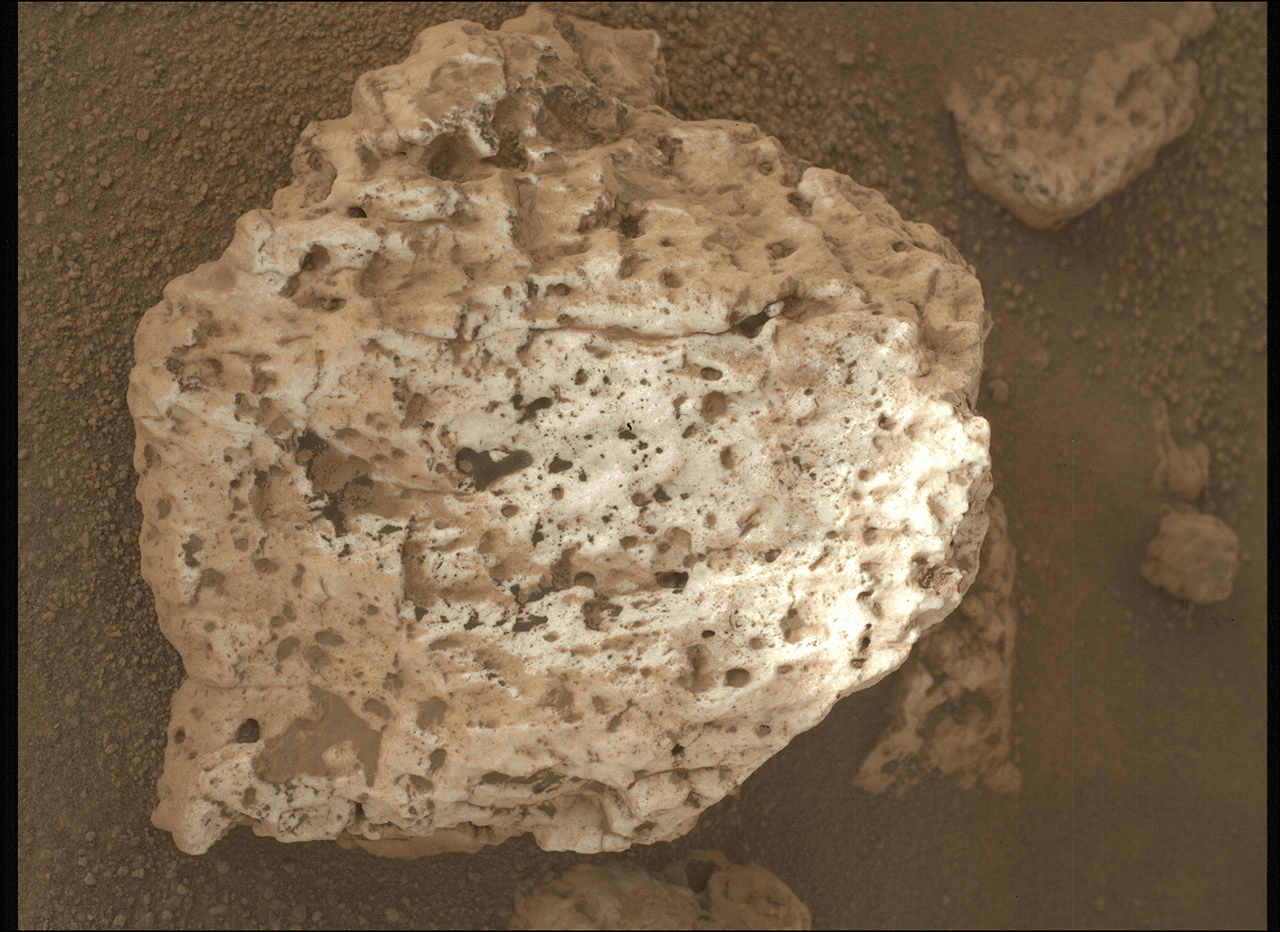
Written by Susanne P. Schwenzer, Professor of Planetary Mineralogy at The Open University, UK Earth planning date: Friday, Oct. 23, 2026 As regular readers of this blog will know, we returned to the area where we found disc shaped inclusions in the rocks, whi…

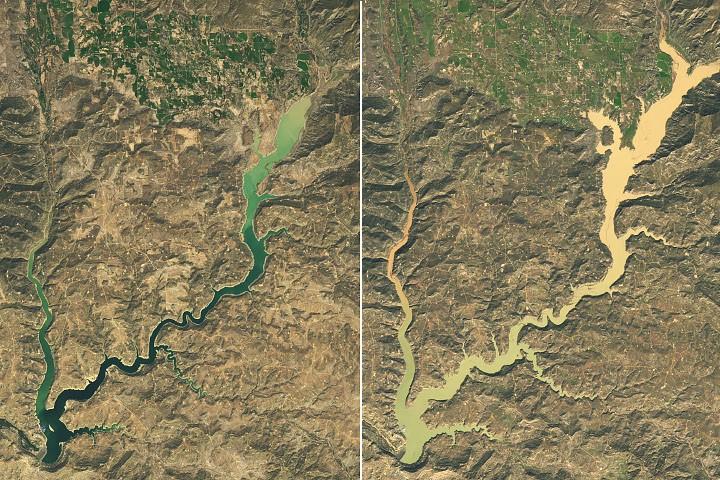
Rounds of heavy rain in the U.S. Southwest flooded rivers and rapidly raised New Mexico’s second-largest reservoir.

When low-mass stars like our Sun age, they leave the main sequence and follow the Red Giant Branch. As they ascend this branch, their luminosity steadily increases. But there's a sort of hiccup in the path called the RGB luminosity bump, where their luminosit…

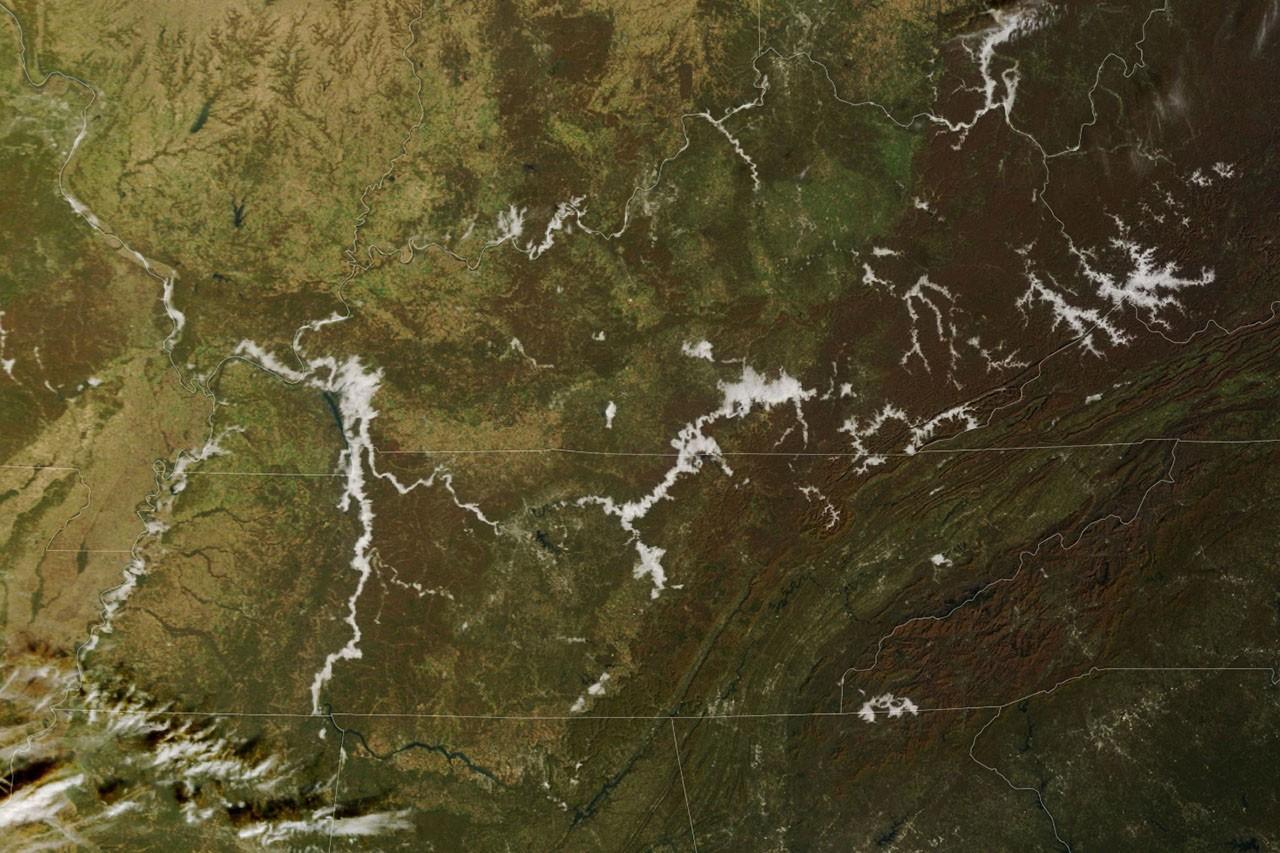
Low clouds trace the branching valleys of the Appalachian Plateau and the Cumberland River, then burn off by afternoon.

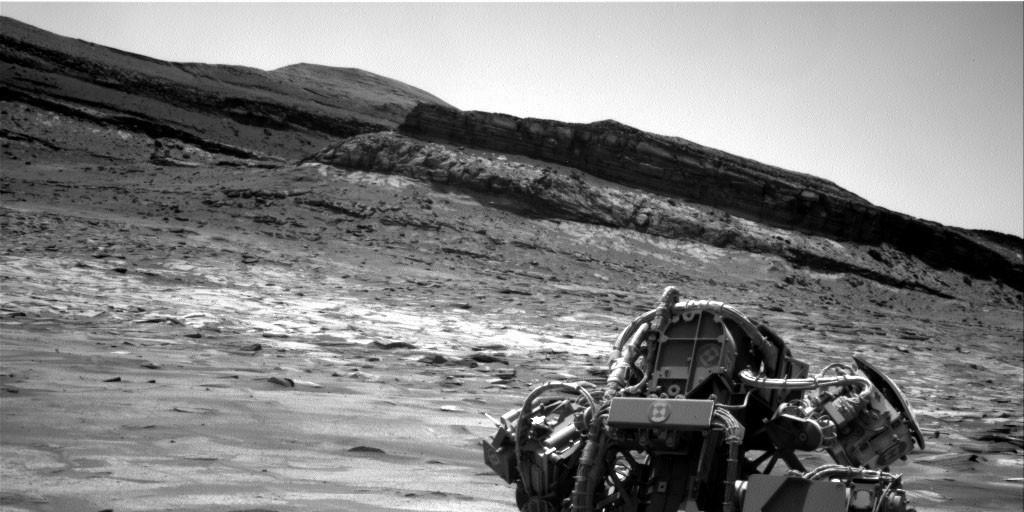
By Remington Free, Operations Systems Engineer, NASA-JPL Earth planning date: Friday, Oct. 30, 2026 Today’s plan covered 3 sols, 5060, 5061, and 5062, as we take a few recharging sols before getting back to our normal drilling activities. As you may know if y…

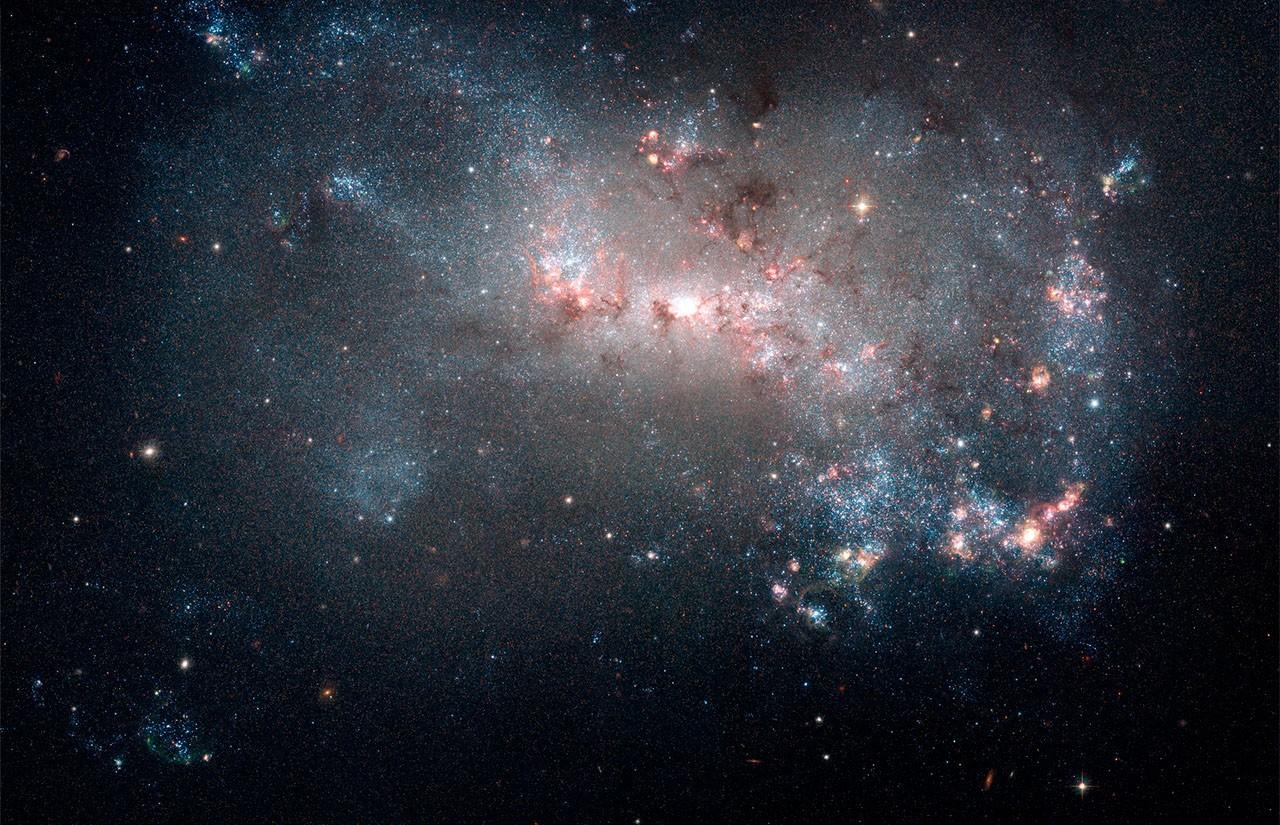
APOD Science APOD APOD: 2026 November 11 – NGC… Today’s APOD Archive Submissions Index Search Calendar RSS Education About Discuss APOD Astronomy Picture of the Day Discover the cosmos! Each day a different image or photograph of our fascinating universe is…

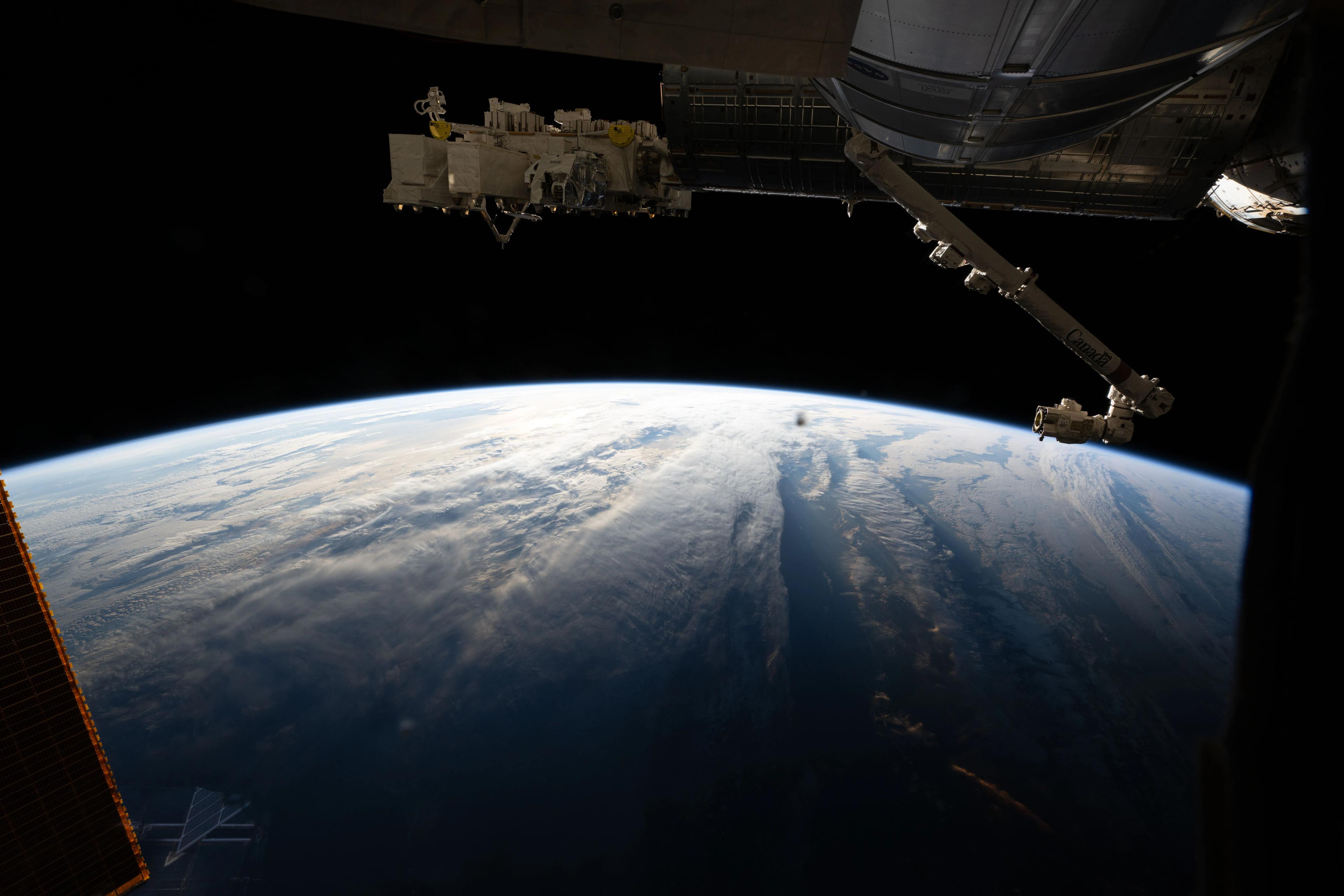
Microbiology and spacesuit maintenance kept the Expedition 75 crew busy aboard the International Space Station on Tuesday. The orbital residents are also preparing for upcoming cargo missions at the orbital outpost.

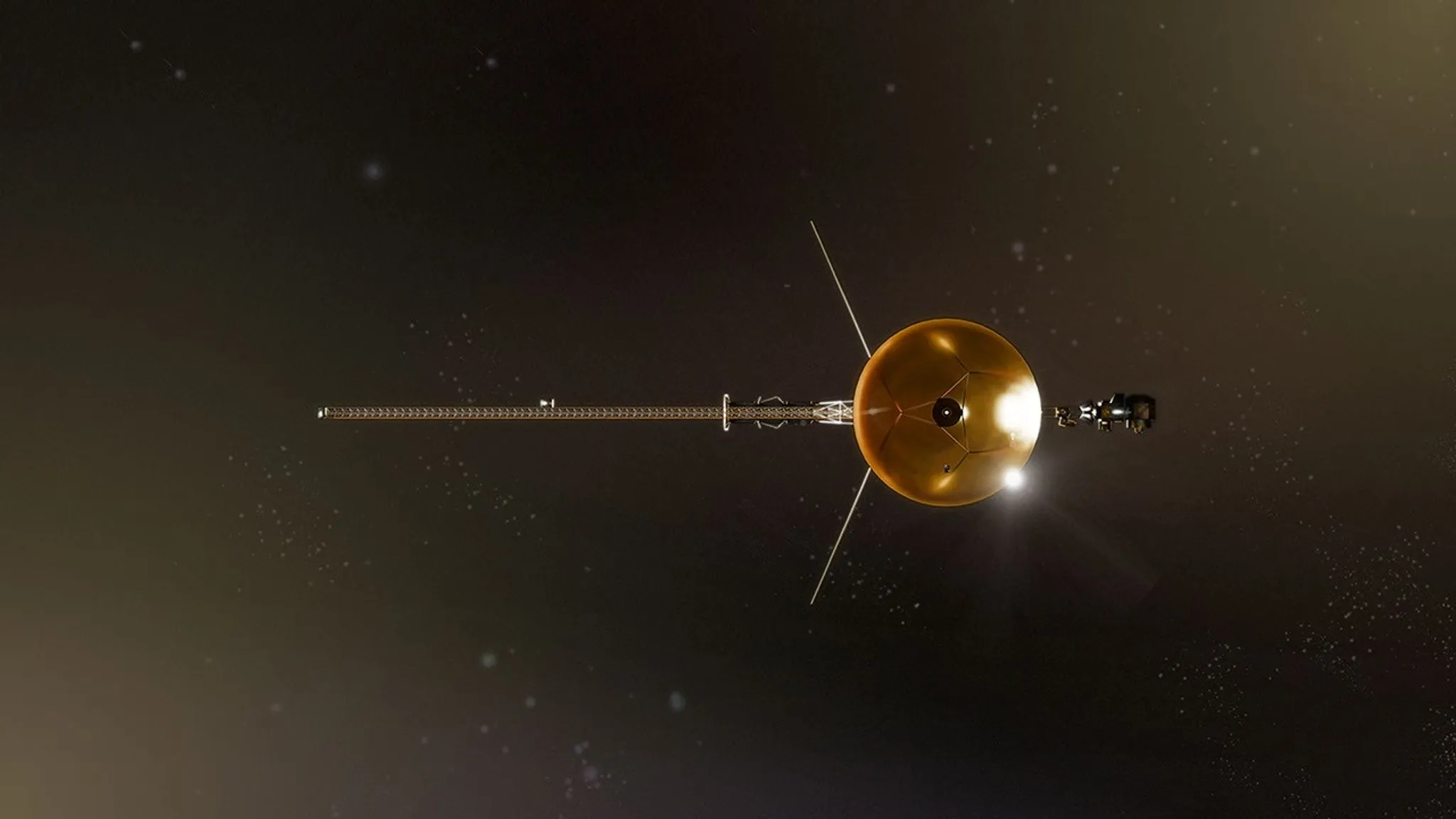
Launched nearly 50 years ago in 1977, NASA’s Voyager 1 on Wednesday, Nov. 18 will have traveled one light-day from Earth, which is more than 16 billion miles (25.9 billion kilometers). Voyager 1 is the most distant human-made object, and any light from Earth …

NASA will welcome home the Expedition 74 crew during a public event at Space Center Houston following their return from a long-duration mission aboard the International Space Station. NASA astronauts Jessica Meir, Jack Hathaway, and Chris Williams; ESA (Europ…

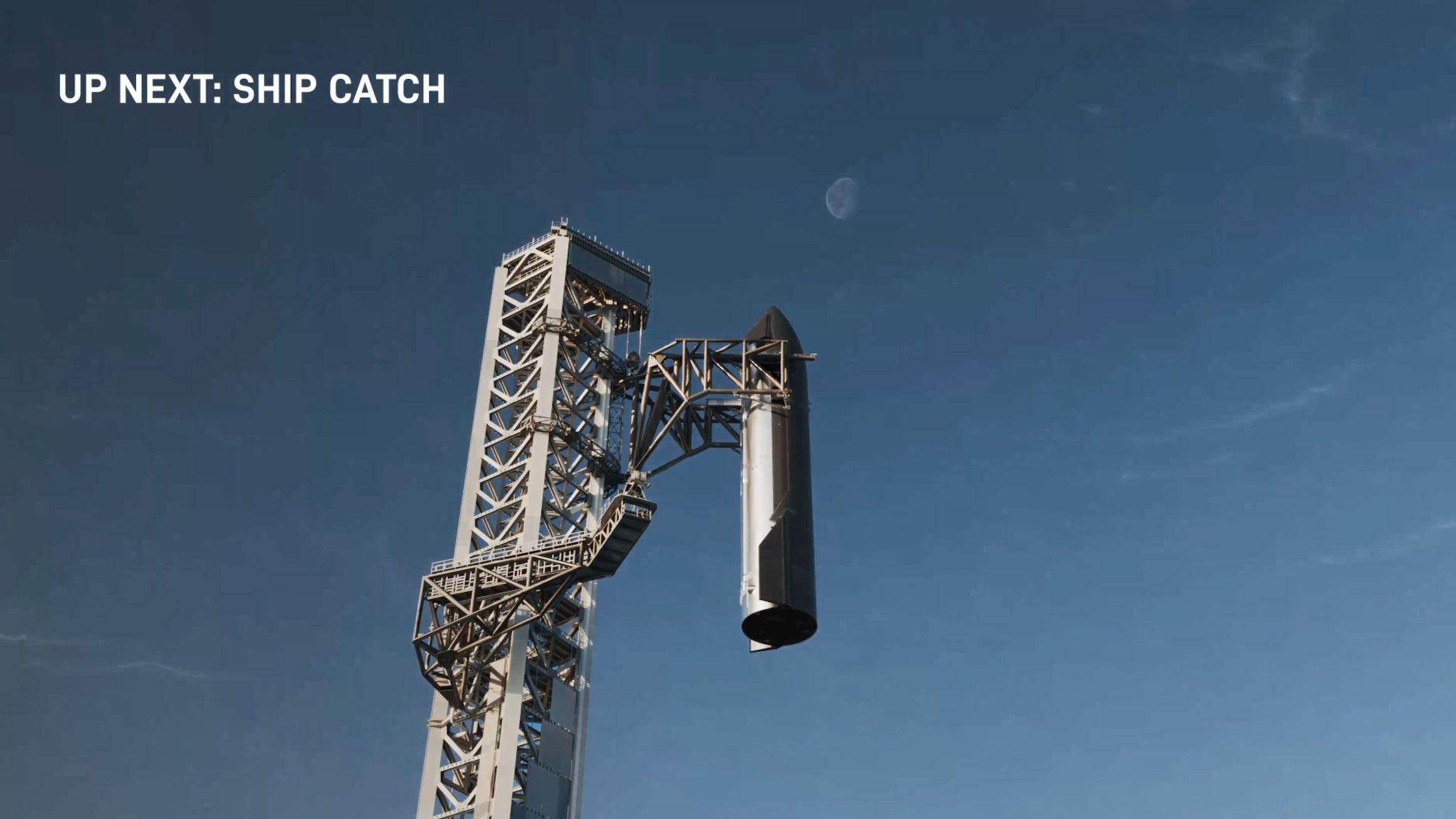
SpaceX could make history with the world's first full recovery of an orbital rocket and spacecraft on Starship Flight 15.

SpaceX could make history with the world's first full recovery of an orbital rocket and spacecraft on Starship Flight 15.

APOD Science APOD APOD: 2026 November 10 –… Today’s APOD Archive Submissions Index Search Calendar RSS Education About Discuss APOD Astronomy Picture of the Day Discover the cosmos! Each day a different image or photograph of our fascinating universe is fea…

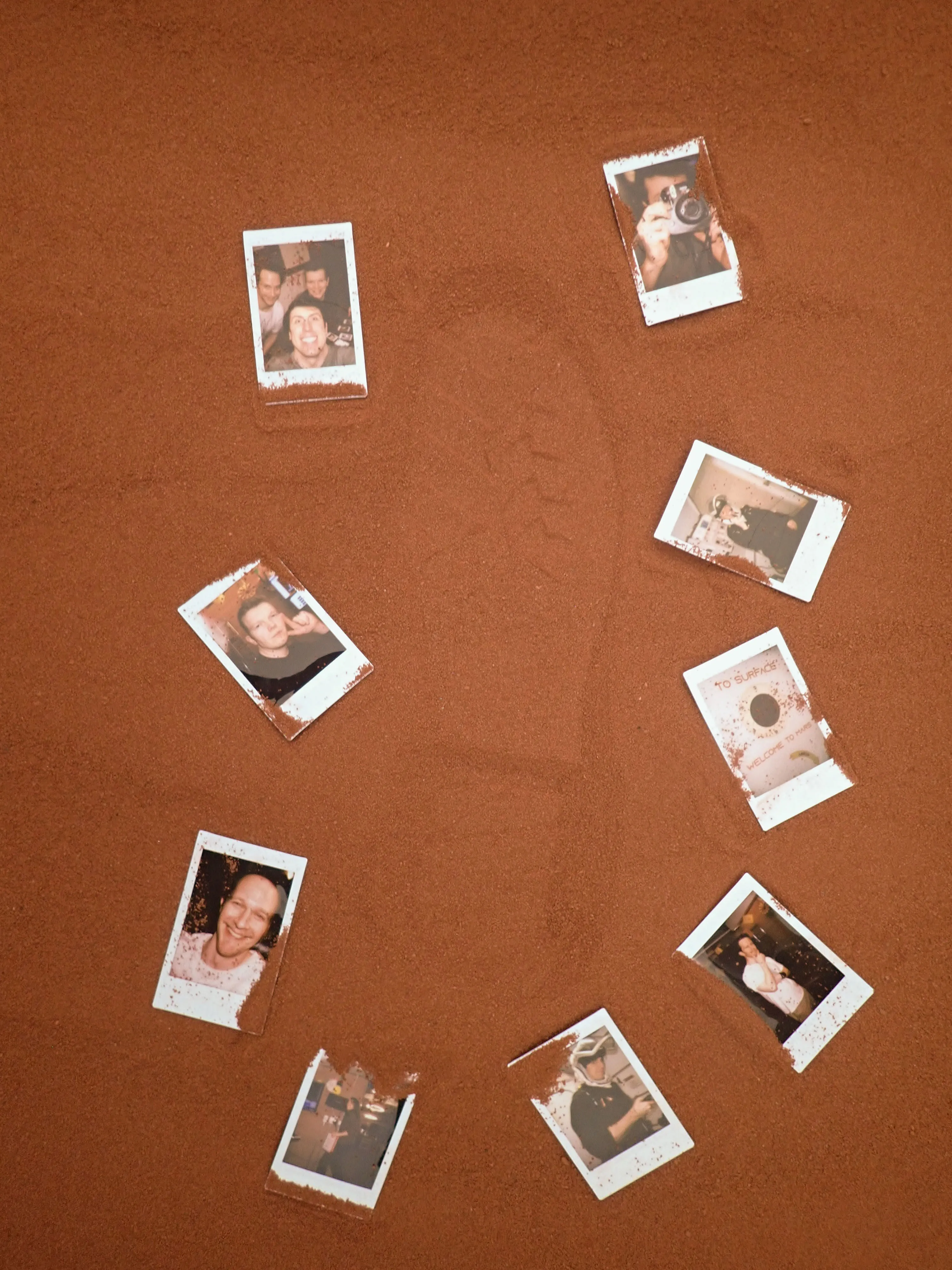
The Crew Health and Performance Exploration Analog (CHAPEA) Mission 2 crew arranged photos around a boot print in the simulated Martian sand outside their habitat on Aug. 31, 2026. The crew recently exited their habitat on Saturday, Oct. 31, after 378 days of…

On Sunday, NASA announced the opening of its $1 million Moon Base Student Challenge during a MAX POWER event at Kennedy Space Center Visitor Complex in Florida. As part of a Golden Age of Science, the competition invites student teams at U.S. high schools and…

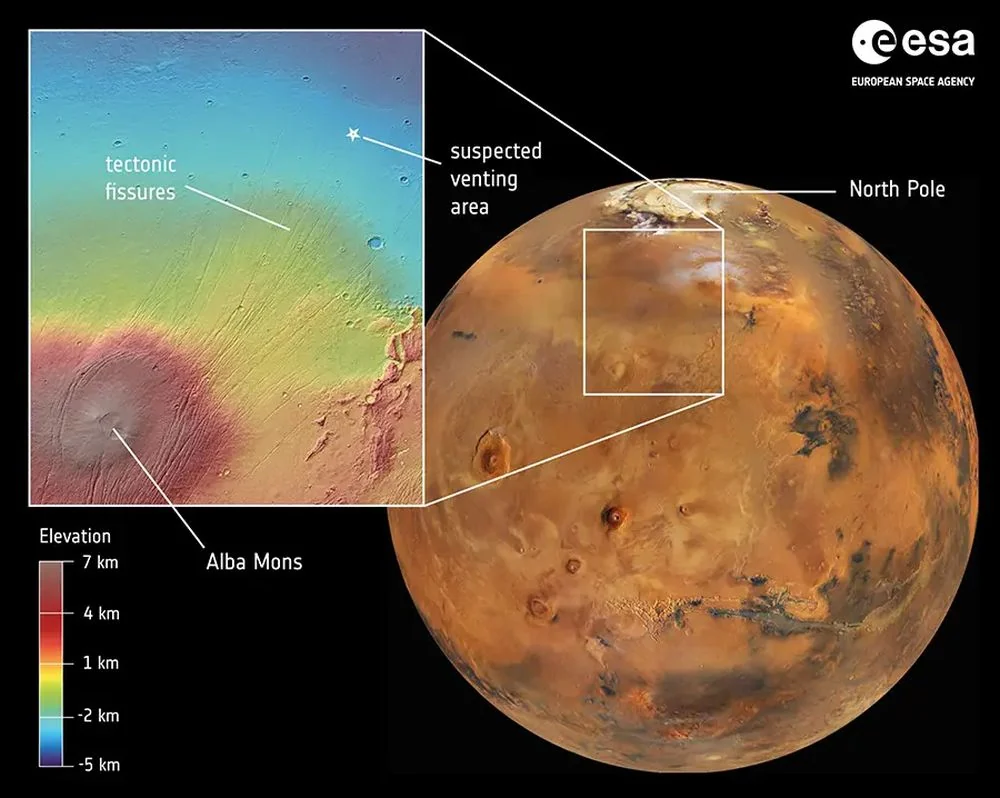
Mars may be more volcanically active than we thought, according to new research. The Trace Gas Orbiter detected HCl, a chemical associated with magma, at a time of year that's difficult except by volcanic origins. The new research also identified new surface …

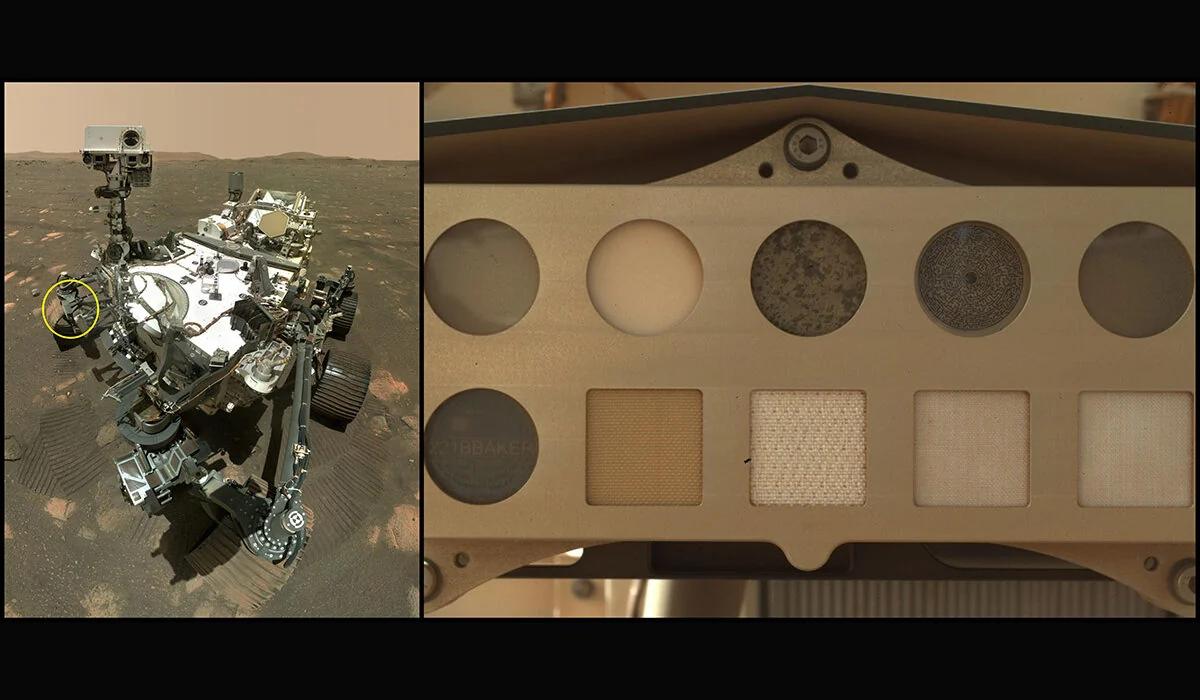
Researchers at Washington University examined how dust interacts with the spacesuit swatches on the Perseverance Rover. Future missions to Mars require that planners account for the effects of dust exposure on humans and materials.

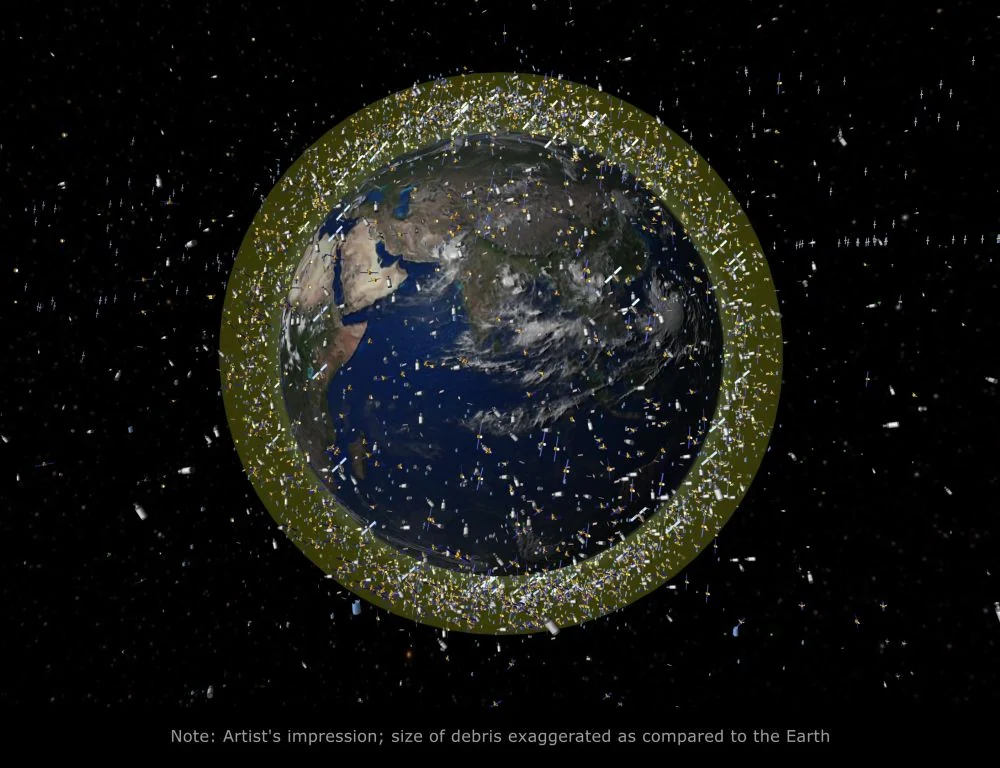
Thousands of so-called zombie satellites orbit Earth in the critical Low-Earth Orbit regime. They're either inactive or have stopped alerting other satellites to their presence. Researchers are building a system called CORTEX that can guide a repair satellite…

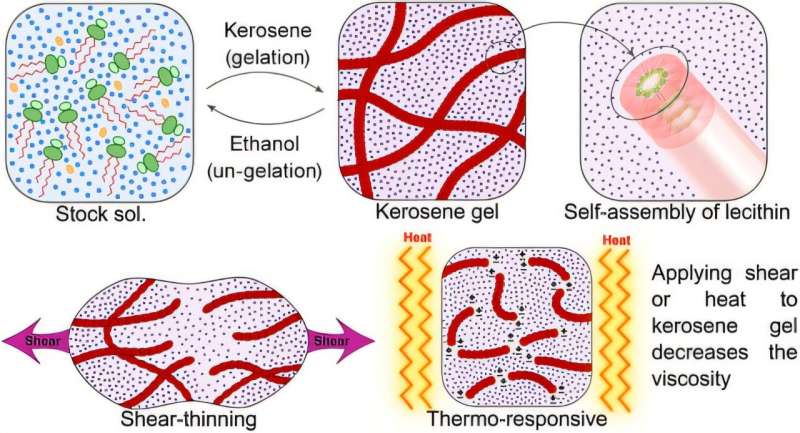
In propulsion system design, engineers have long faced a trade-off between solid and liquid rocket fuels. Each has advantages and disadvantages, and in an effort to try to min/max the efficacy of different types of fuel, researchers have long placed an emphas…

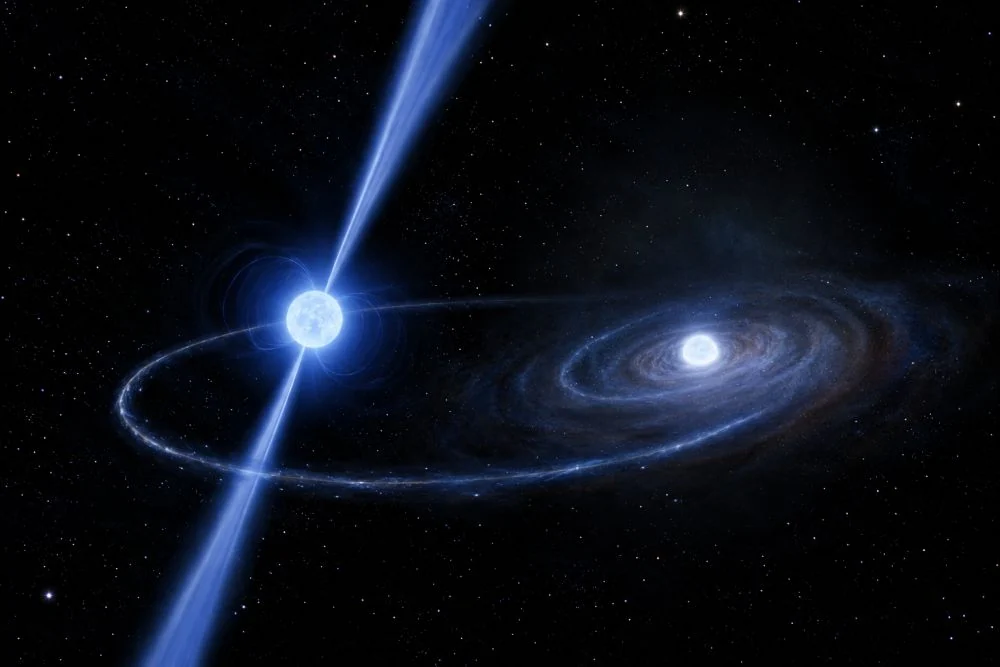
Millisecond pulsars are fascinating objects that serve as natural clocks in the Universe. They form by drawing material and angular momentum from a companion. This mass transfer can rapidly accelerate the companion's evolution to a white dwarf. Astronomers ha…

A new study of more than three dozen dwarf galaxies has surprised researchers with just how little oxygen they have been able to retain over cosmic time. The results reveal that we still have major gaps in our understanding of galaxy evolution.

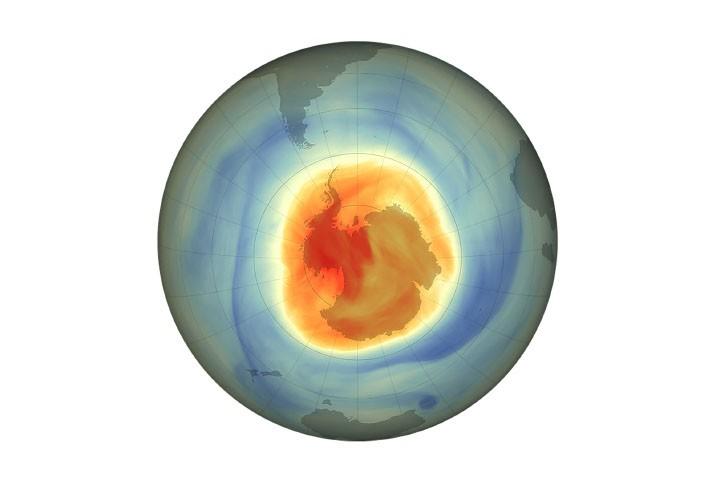
The ozone hole ranked seventh largest by area in 48 years of monitoring, but it was not as deep as other large holes on record.

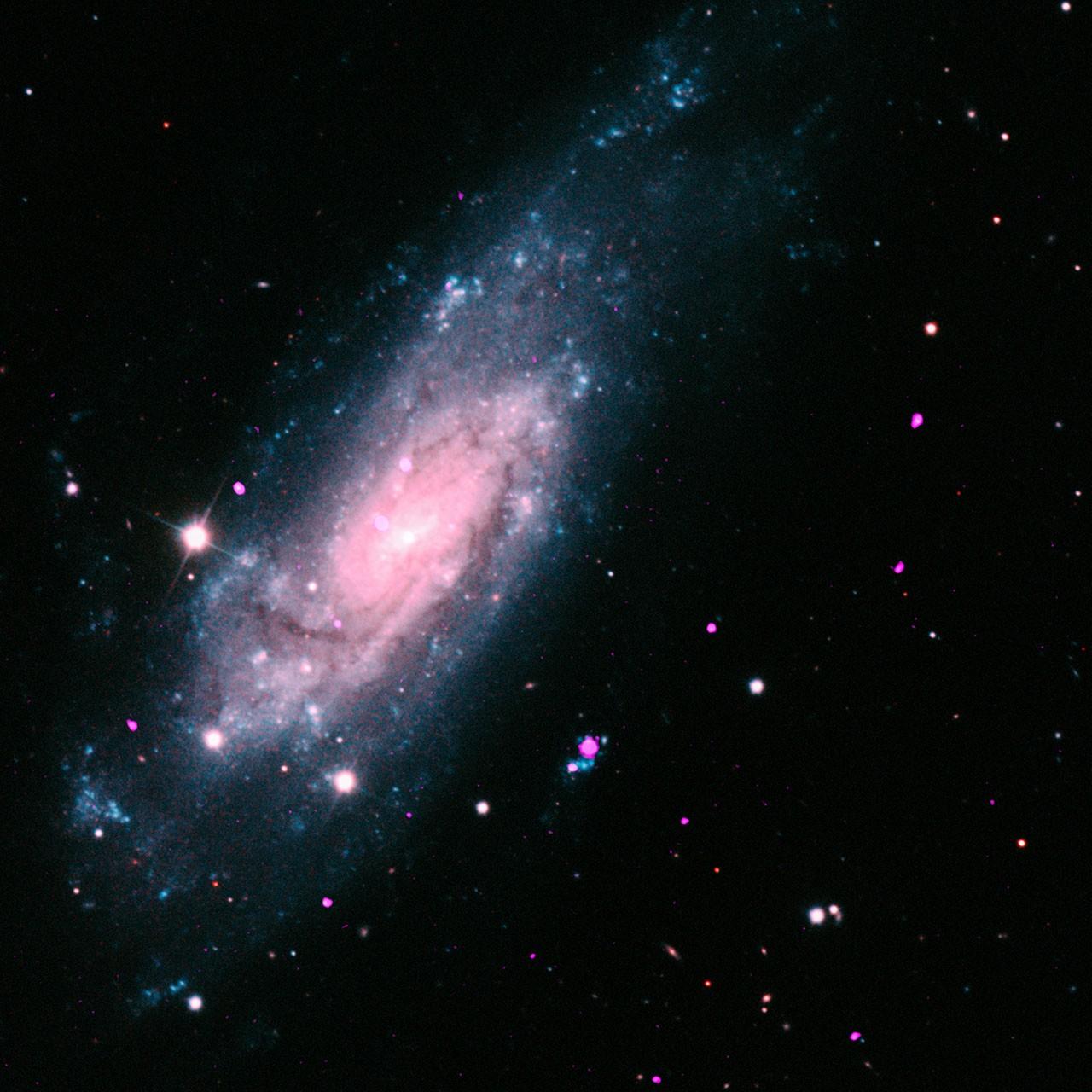
Using NASA’s Chandra X-ray Observatory, astronomers have discovered what is triggering repeated outbursts from a giant, unstable star. A new study, published Monday in the latest issue of The Astrophysical Journal, details the discovery of a previously hidden…

Thousands gathered over several days in early November to experience MAX POWER – NASA’s first exhibition of America’s superiority in space, aeronautics, and technology on and around the agency’s Kennedy Space Center in Florida. The multi-day, family-friendly …

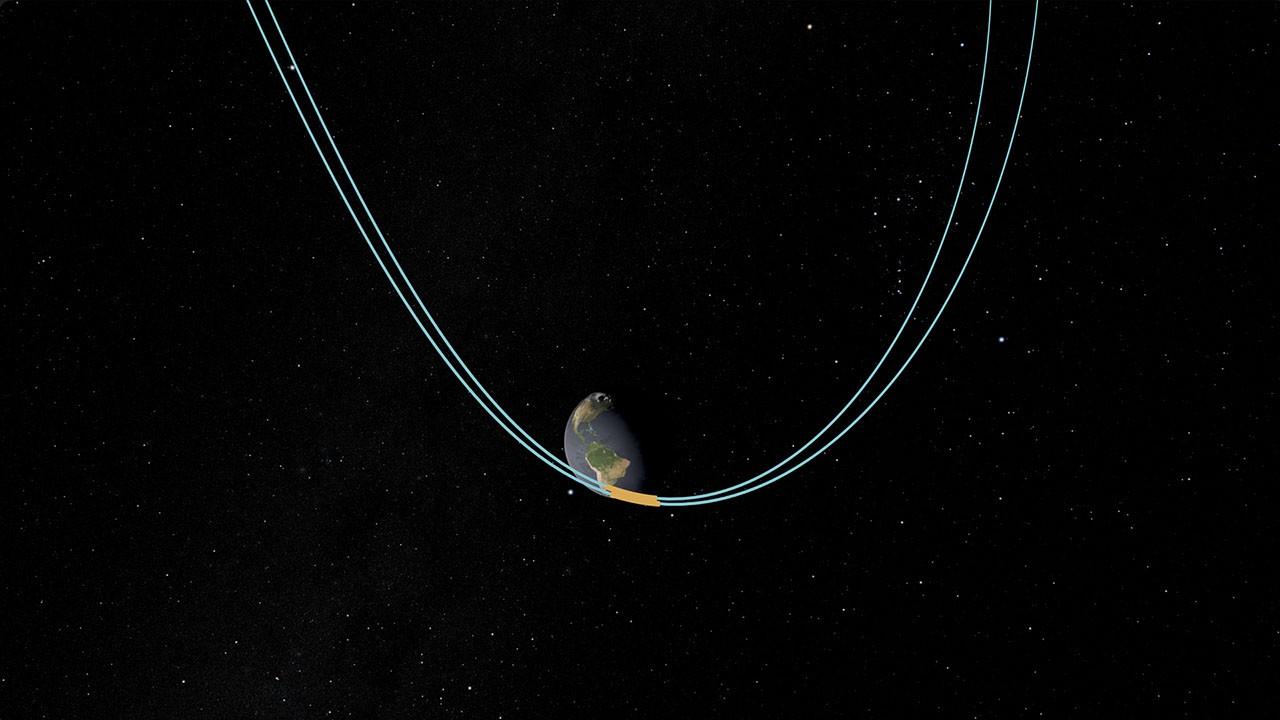
NASA’s two ESCAPADE (Escape and Plasma Acceleration and Dynamics Explorers) spacecraft have each successfully completed a powered Earth flyby, using Earth’s gravity in combination with a sustained engine burn to slingshot themselves toward Mars. With these su…

After 378 days without windows, the sounds of the outside world, or real-time calls with family and friends, four research volunteers stepped out of NASA’s Mars Dune Alpha habitat on Oct. 31, completing the agency’s second yearlong Mars surface simulation. R…

NASA announced a suite of awards and mission updates on Saturday to expand the agency’s Moon Base exploration, science, and infrastructure capabilities. The investments will advance commercial robotic deliveries, a nuclear-powered rover named PROMISE, launch …

Mechanical engineering assistant professor Erik Komendera developed a method that combines vibrations and AI to determine how deeply a rock is buried, helping robots clear terrain more efficiently.
The European Space Agency’s Hera mission for planetary defence has arrived at its target asteroids. Positioned just 30-25 km away from the binary Didymos system, the small-car-sized spacecraft has commenced its ‘early characterisation phase’ to gather key dat…
On 1 September 2026, contact was lost with Tango, the fourth and final satellite in ESA’s Cluster mission, following the spacecraft’s targeted reentry over the Pacific Ocean. The moment closed a chapter for generations of scientists and engineers who helped m…

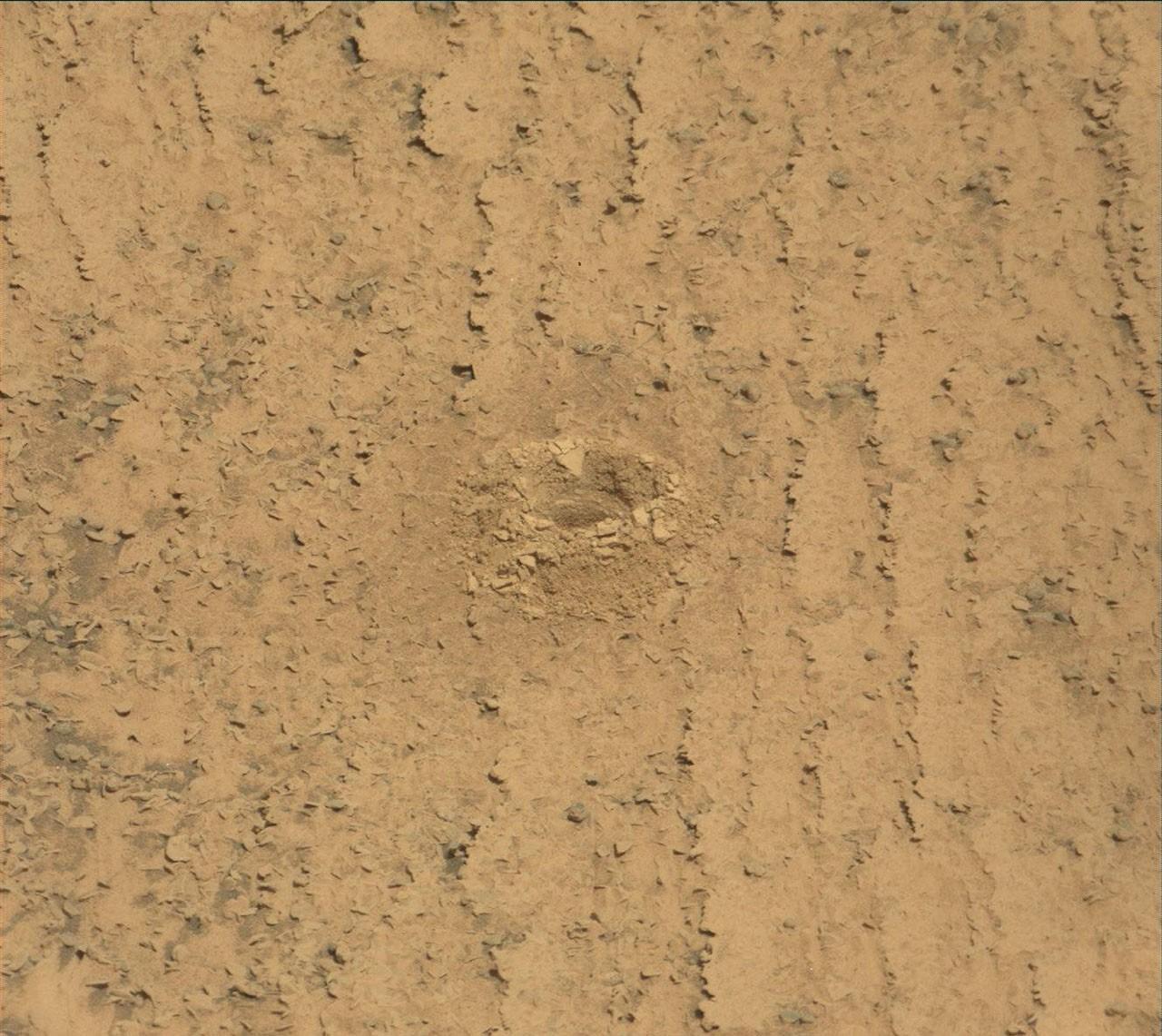
Written by Tasha Coelho, Mastcam-Z Student Collaborator at Arizona State University Nov. 1, 2026 Perseverance’s most recent abrasion “Pumbe” bears a striking resemblance to an earlier abrasion, “Badger Peak.” That’s no coincidence. As previously reported, tha…

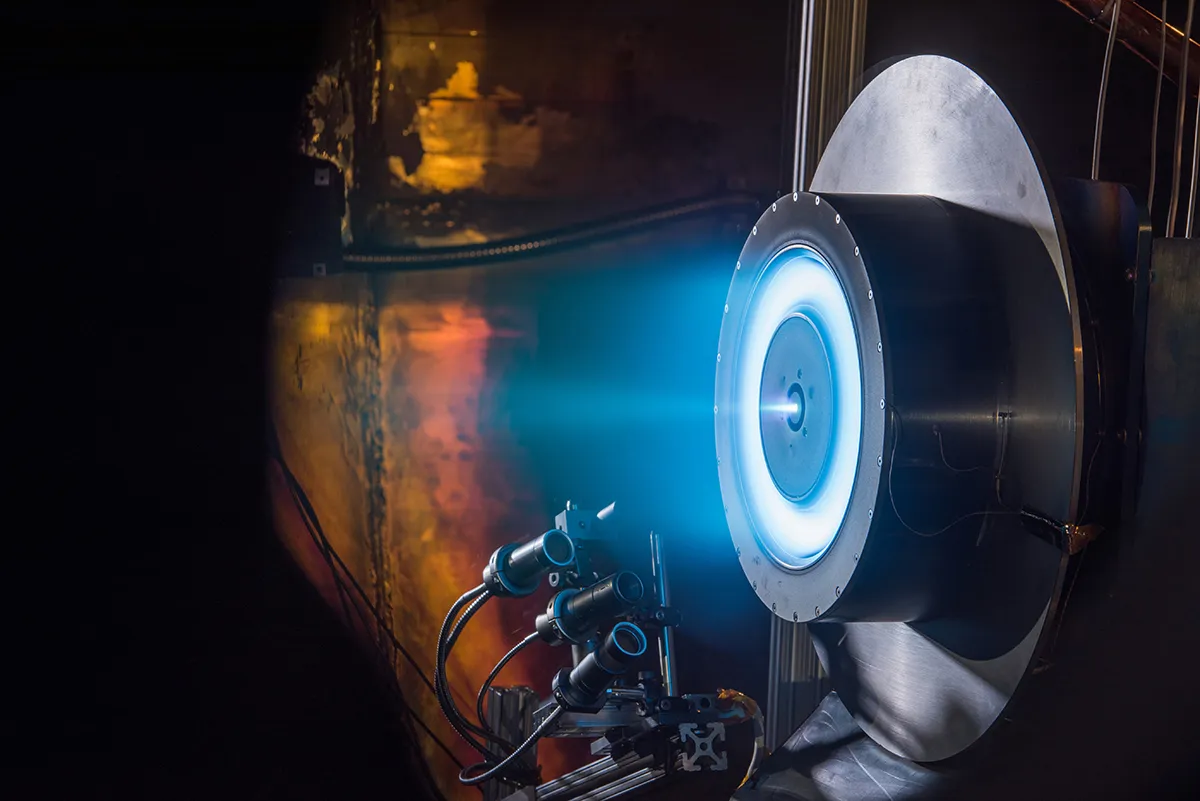
Mid-power (3-7 kW) Hall effect thruster systems have been identified by government and industry stakeholders as critical capabilities for satellite, defense, and exploration missions. Given the need for this capability, NASA is launching the Advanced Mid-Powe…

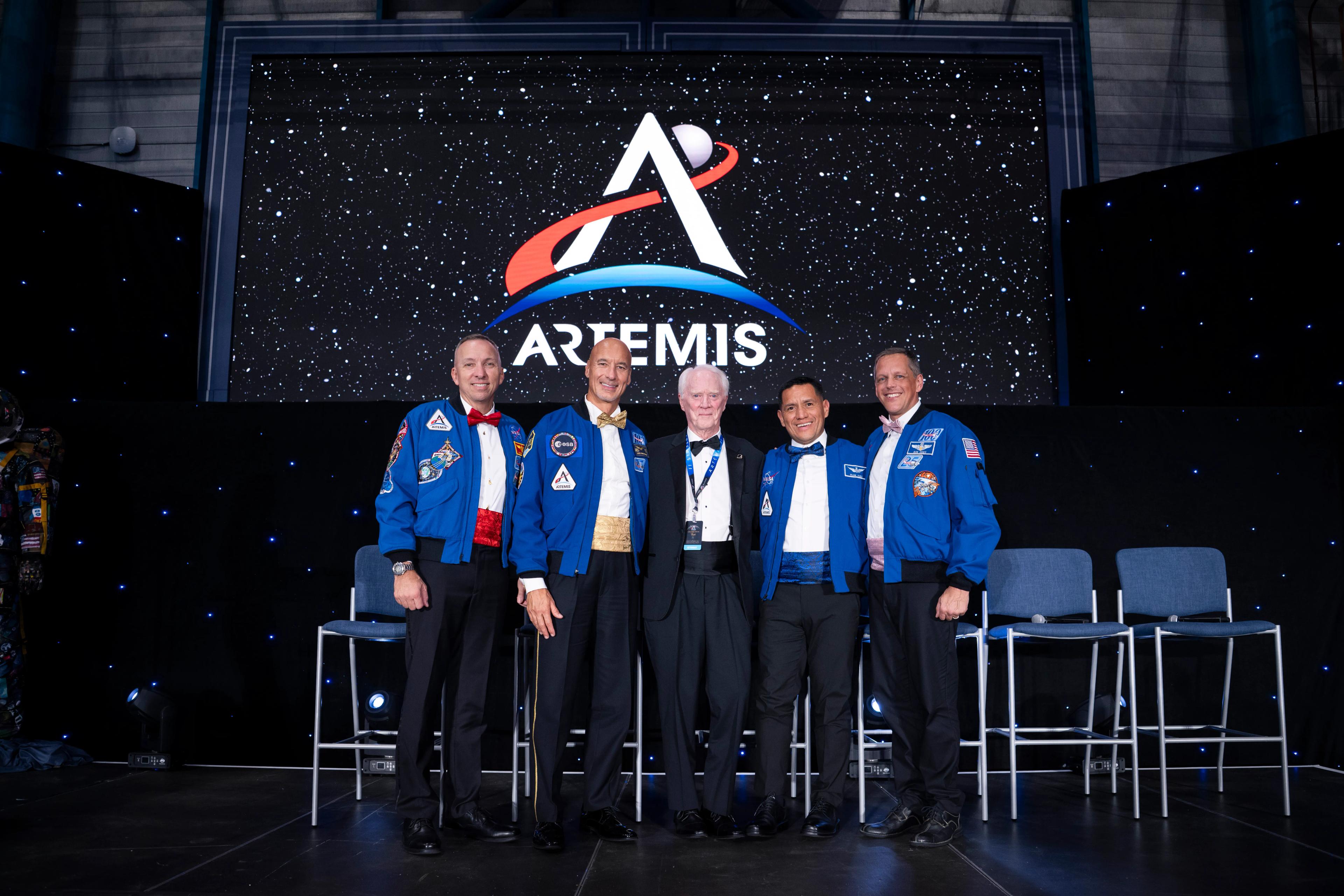
On Nov. 6, 2026, Purpose Entertainment hosted the Artemis Celebration Gala at NASA's Kennedy Space Center Visitor Complex in Merritt Island, Florida. Held on the eve of NASA's MAX POWER event, the gala celebrated the explorers, innovators, and visionaries adv…
Satellite observations across the central-eastern Pacific, combined with seasonal climate forecasts, are pointing to the development of one of the strongest El Niño events in recent decades – and offer early insights into where the land’s ability to absorb an…

Written by Roger C. Wiens, SuperCam Principal Investigator for NASA’s Perseverance rover at Purdue University Nov. 4, 2026 Exploration on Mars turns up the unexpected. Perseverance is equipped with a fantastic set of instruments for studying the rock record o…
Get ready to celebrate BepiColombo’s arrival at Mercury. Craft a welcoming message that could be a drawing, song, poem or any other art form and stand a chance to win a trip to mission control!
Across ESA’s Navigation Innovation and Support Programme (NAVISP), a broad portfolio of projects is preparing European industry, users and innovators for the coming revolution of positioning, navigation and timing from low Earth orbit (LEO PNT).